June Power
June Power
June Power
Pioneering SiC-based bidirectional DC/DC converters and hybrid solar inverters engineered to bridge distributed storage and the local grid with minimal thermodynamic losses.
As Queensland advances towards its legislative target of 70% renewable energy by 2032 and 80% by 2035, the greater Brisbane area is witnessing a structural transformation in how industrial electricity is procured, managed, and stabilized. Industrial hubs in Eagle Farm, Wacol, Yatala, and the Port of Brisbane are facing dual challenges: fluctuating utility pricing during peak periods and local grid congestion under volatile photovoltaic injection.
Traditional AC coupled solar systems often encounter stringent network limits set by DNSPs like Energex. This is where Hybrid AC/DC Microgrid Systems present an elegant architectural resolution. By establishing a shared DC bus linking solar PV array generation, battery energy storage systems (BESS), and DC loads directly, conversion topologies can bypass multiple rectification and inversion loops, resulting in immediate efficiency gains of up to 4% to 6%.
For operations involving continuous manufacturing, automated logistics, or cold storage, installing a microgrid that accommodates both AC and DC sources ensures an uninterrupted transition to island mode when utility grid sags occur, shielding sensitive control infrastructure from costly dropouts.
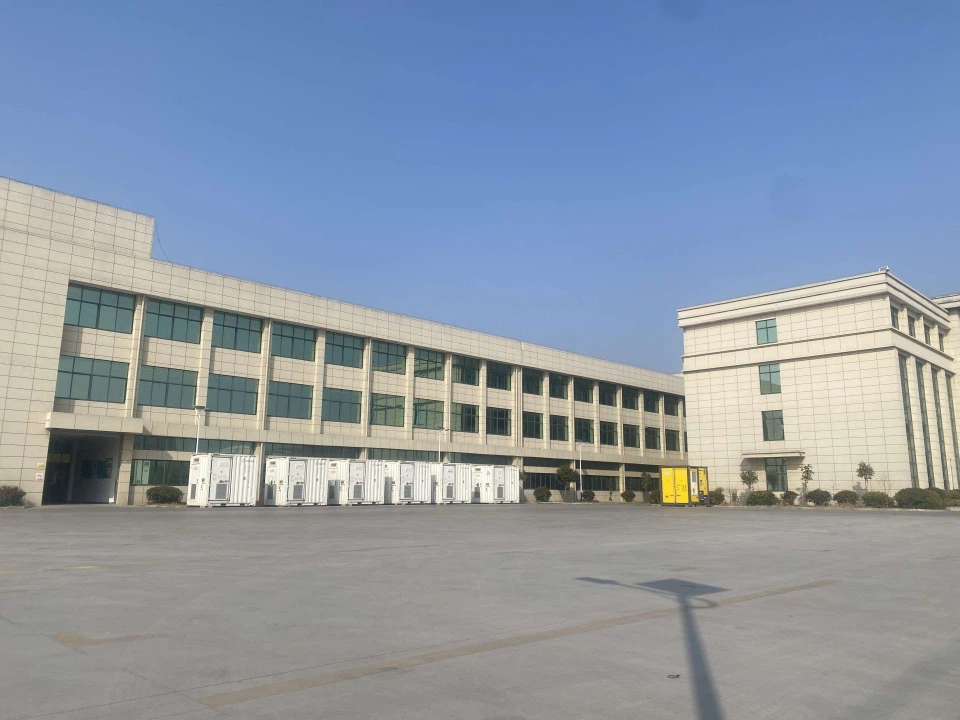


Understanding how modern hybrid networks mitigate double conversion losses, control high-frequency switching noise, and stabilize local voltage profiles.
In standard solar-plus-storage arrangements, power undergoes repeated transformations: DC from PV arrays is inverted to AC, then rectified back to DC to charge batteries, and finally inverted to AC for operations. In our hybrid bus structure, DC sources feed directly into a common DC link, increasing the round-trip efficiency of energy storage system paths to over 98.2%.
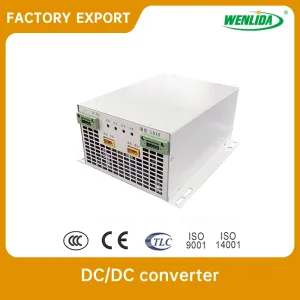
Traditional silicon-based IGBTs suffer from switching loss limitations, restricting switching frequencies. Our SiC Series of DC/DC converters leverage wide-bandgap semiconductors, enabling frequencies beyond 50 kHz. This reduces the footprint of inductors and capacitors, resulting in compact equipment profiles and minimal heat dissipation.
Integrating advanced MPPT-controlled hybrid inverters ensures that active power flow is monitored in real-time. The system dynamic control firmware responds to load transients within 5 milliseconds, switching seamlessly between grid-parallel, off-grid storage, and peak-shaving settings.
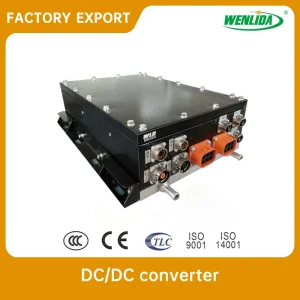
In hot climates like Queensland, thermal derating can significantly degrade converter output capacity. For ambient designs exceeding 40°C, air-cooled modules often must limit throughput to prevent junction overheating. Our Water-Cooling SiC DC/DC Converter line resolves this restriction. A circulating closed-loop thermal design isolates heat-generating components, maintaining junction temperatures within optimal performance parameters, extending the life expectancy of critical capacitors, and eliminating the vulnerability to dust ingress common in coastal and heavy industrial regions.
A major focus of modern microgrids is the secondary deployment of EV batteries. These cells, retaining 70% to 80% of original capacity, demand precise voltage balancing during charge/discharge cycles. Our bidirectional converters feature specialized firmware routines that address cell-to-cell inconsistencies. By using isolated DC/DC channels, we enable safe deployment of diverse second-life battery chemistry blocks on a single common DC bus, providing a cost-effective path to utility-scale storage infrastructure.
Tailored energy architectures designed to achieve reliable performance across varied operational conditions.

Providing peak-shaving, emergency backup, and local PV expansion platforms for cold-chain warehousing, data centers, and advanced manufacturing sectors in Brisbane.

High-voltage battery energy storage solutions designed to optimize solar farm capacity factors and supply localized frequency control services to the Australian grid.

Enabling standalone operation for agricultural pumping stations, regional township grids, and mining operations across remote areas of Queensland.
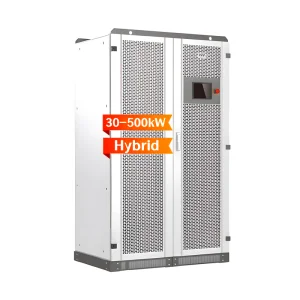
Fully certified 3-phase hybrid solutions ranging from 30kW up to 500kW utility-ready installations.
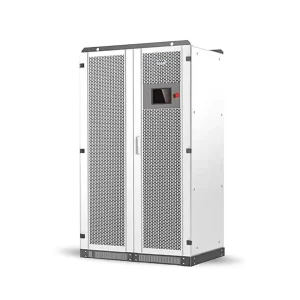
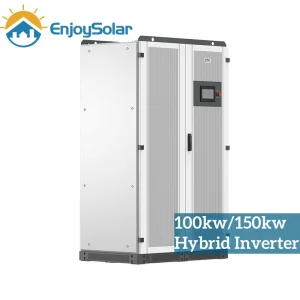
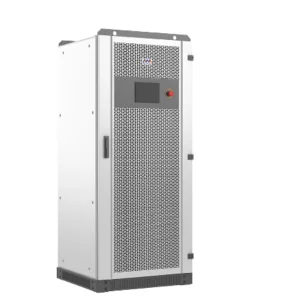
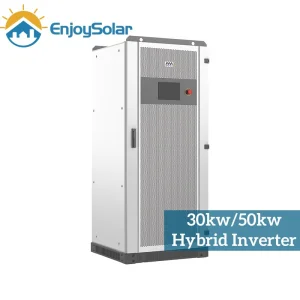
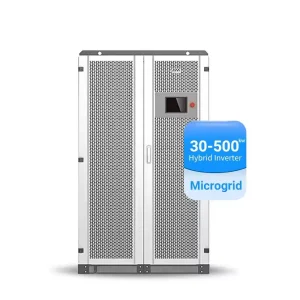
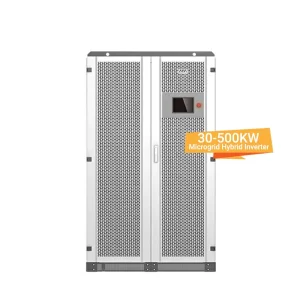
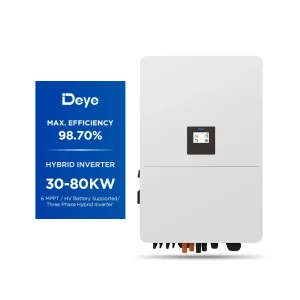
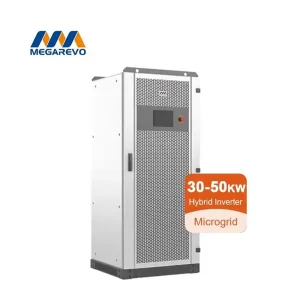
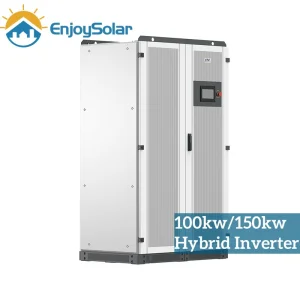
Hunan June Power Technology Co., Ltd. is a national high-tech enterprise located in Jiangbei New Area, Nanjing. June focuses on the R&D, production, and sales of PCS, Hybrid Inverters, Energy Storage Systems (ESS), and Microgrid Systems, while also engaging in the investment, development, and construction of photovoltaic and energy storage power plants.
The company operates an R&D and manufacturing base of over 100,000 m2, and its products are distributed in more than 100 countries and regions across Europe, the Americas, Oceania, Africa, the Middle East, and Southeast Asia. To deliver efficient, localized technical support and services, the company has established overseas branches in Los Angeles, Warsaw, Tokyo, and Riyadh, forming a global service network that continuously provides high-quality solutions and services to clients worldwide.
In addition, June has established strategic partnerships with several leading universities, including NUAA, NUIST, and NJUIT. Together, they have set up doctoral research workstations and co-developed talent cultivation platforms dedicated to the transformation of scientific achievements in the new energy sector, providing solid support for continuous innovation and breakthroughs in energy storage technologies and microgrid systems.
Ensuring seamless network interconnection with local networks through certified safety features.
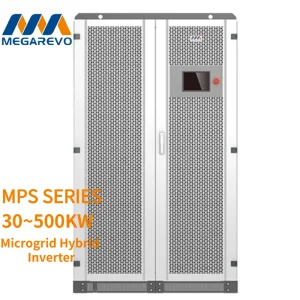
Deploying hybrid microgrids within the Australian National Electricity Market (NEM) requires adherence to strict connection standards. Our hybrid inverter line, including the 30kW to 500kW MPS configurations, complies fully with AS/NZS 4777.2:2020 grid connection requirements. These systems support active power response modes, voltage controls, and grid-protection functions necessary to interface with local network infrastructure.
Dynamically adjusts reactive and active power output in response to local grid voltage fluctuations, avoiding over-voltage tripping during peak solar injection periods.
Ensures systems remain connected during brief grid disturbances, supporting network stability rather than dropping offline and worsening load imbalances.
Incorporate redundant protection circuits that disconnect from the utility grid in under 2 seconds upon loss of grid power, safeguarding maintenance personnel working on local lines.
Clear technical insights regarding implementation, design parameters, and regulatory compliance.