June Power
June Power
June Power
Premium SiC-enabled bidirectional modules & energy management components engineered for heavy marine-tropical integration.
The Independent State of Samoa, situated in the heart of Polynesia, faces significant challenges common to Pacific Small Island Developing States (SIDS). Historically dependent on expensive, imported diesel fuel for power generation, the island nation is vulnerable to volatile global oil markets and climate-induced extreme weather. Through the Samoa National Energy Roadmap (NERM), local authorities and the Electric Power Corporation (EPC) have established aggressive pathways toward 100% renewable energy integration. However, scaling up solar PV and wind capacity onto isolated island grids like Upolu and Savai'i introduces severe power quality issues, grid frequency fluctuations, and voltage instability.
This is where **Hybrid AC/DC Microgrids** step in as the core technical solution. By integrating a DC bus directly with solar PV arrays and Battery Energy Storage Systems (BESS) alongside the traditional AC utility grid, hybrid microgrids reduce multiple conversion losses, stabilize localized grids, and prevent power dropouts.
Unlike interconnected continental grids, Samoa's electric networks have low system inertia. A passing cloud bank over a large solar farm in Apia can cause solar generation to drop by 80% in seconds, forcing diesel gensets to cycle rapidly or causing localized brownouts. A hybrid AC/DC microgrid equipped with fast-acting bidirectional converters acts as a synthetic inertia source, injecting active power from batteries within milliseconds to stabilize the nominal frequency.
In standard AC-coupled microgrids, power generated by solar arrays (DC) is converted to AC by solar inverters, then converted back to DC to charge batteries, and then converted again to AC for consumption. In Samoa's warm, marine environment, every conversion stage introduces 3-5% efficiency losses and generates excess heat.
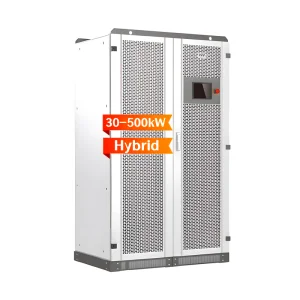
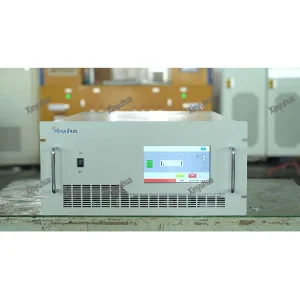
A hybrid AC/DC architecture establishes a high-voltage DC bus where solar arrays and energy storage systems interface directly through highly efficient **SiC (Silicon Carbide) DC-DC converters**. This topology matches the DC generation profile directly to the DC storage medium, bypassing AC conversion loops. Only the final output load or the grid connection interface utilizes a bidirectional hybrid inverter.
| Parameter | Standard AC Microgrid | June Power Hybrid AC/DC System | Direct Benefit to Samoan Operators |
|---|---|---|---|
| Overall System Efficiency | 88% - 91% | 96% - 98% | Lower fuel offset costs, maximized solar usage |
| Response Time (Frequency Event) | 100ms - 200ms | < 5ms (via DC Coupling) | Prevents industrial machinery tripping |
| Thermal Management Needs | High (Generates extensive heat) | Low (Water-cooled & SiC modules) | Longer component lifespan in tropical humidity |
| EV/Retired Battery Integration | Difficult (Requires complex AC charge loops) | Seamless (Cascading DC/DC Converter) | Allows lower CAPEX by reusing second-life batteries |
The global microgrid market is moving rapidly toward Wide-Bandgap (WBG) semiconductors. Traditional silicon-based components struggle with efficiency limits and high-temperature performance. By leveraging Silicon Carbide (SiC) in our converters, June Power delivers systems that maintain optimal operation even under Samoa's peak temperature profiles.
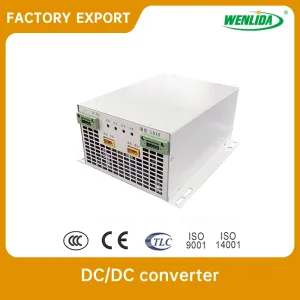
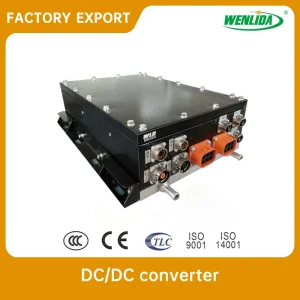
Furthermore, "Second-Life" or cascading utilization of retired electric vehicle (EV) batteries is emerging as the most sustainable way to build affordable stationary storage. Our dedicated DC/DC converters are specifically designed to manage the wide voltage ranges and varying health indexes of retired battery packs.
Engineered for high reliability, scalability, and seamless integration into global and localized energy grids.

Stabilize energy supply for industrial complexes, factories, and commercial centers. Avoid costly downtime and optimize electricity bill structures using peak-shaving algorithm integrations.

Support local power generation grids by providing critical frequency response, reserve capacity, and smoothing solar/wind intermittent energy spikes.

Direct interface for utility-grade photovoltaic arrays. Maximize generation yield through ultra-fast Maximum Power Point Tracking (MPPT) converters and high efficiency output lines.
Hunan June Power Technology Co., Ltd. is a leading national high-tech enterprise focusing on the R&D, production, and global sales of Power Conversion Systems (PCS), Hybrid Inverters, Energy Storage Systems (ESS), and complete Hybrid Microgrid configurations.
Operating out of our massive 100,000 m² R&D and manufacturing hub in Jiangbei New Area, Nanjing, we have developed strategic partnerships with top-tier research universities, including the Nanjing University of Aeronautics and Astronautics (NUAA), Nanjing University of Information Science and Technology (NUIST), and Nanjing Institute of Technology (NJUIT). These partnerships host active doctoral research stations focusing on high-voltage power electronics and next-generation battery management systems.
Our products operate in over 100 countries. To support our installations across Oceania, the Americas, Europe, and the Middle East, we run localized service centers in Los Angeles, Warsaw, Tokyo, and Riyadh, ensuring rapid engineering and troubleshooting dispatch.
Connect with Our Engineering Team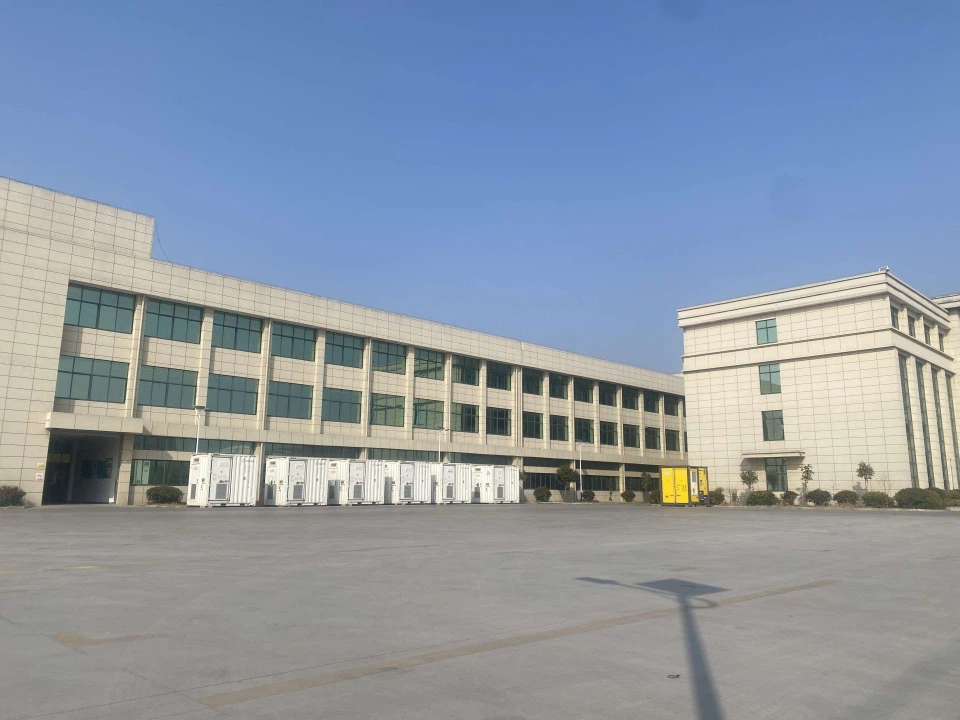
Square Meters of Production Area

Strong Technical Experts & PhDs

Utility Model & Invention Patents

Global Countries Reached

A step-by-step modular strategy designed to ensure grid compliance, tropical resilience, and peak energy yield.
Tropical marine conditions (C5-M corrosion levels) demand hermetically sealed enclosures, salt-mist filters, and liquid cooling channels. We analyze the local load curve (kilowatt-hour patterns of Samoa's C&I operations) to size the optimal balance of AC vs. DC bus allocation, ensuring minimum thermal stress.
Integrating our signature SiC-based DC/DC converters allows operators to marry brand-new high-density lithium chemistries alongside retired EV batteries. This dual-source handling saves significant capital costs while protecting secondary assets from overcharge/over-discharge stresses.
Using June Power MPS Hybrid Inverters, the microgrid system is configured to meet all IEEE 1547 and local utility regulations. Key functions include active voltage regulation, low-voltage ride-through (LVRT), and dynamic reactive power control to counter sudden solar irradiance drops.
Once live, our cloud-connected Energy Management System monitors local state-of-health, weather forecasts, and grid tariffs. If the cloud service is interrupted due to cyclone activities, the microgrid switches autonomously to its local edge controller, securing critical operations without delay.
Explore our full range of heavy-duty hybrid inverters and power conversion units compatible with Samoan grids.
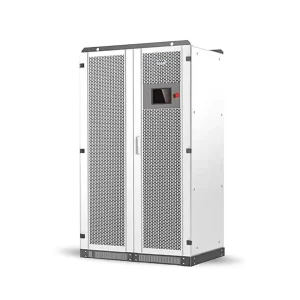
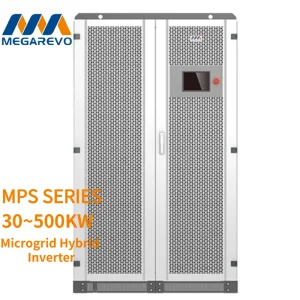
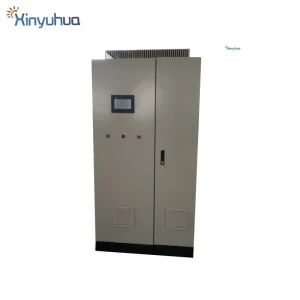
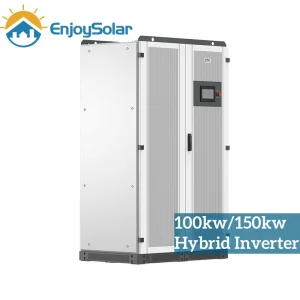
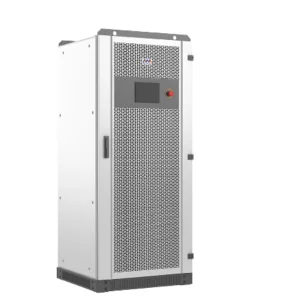
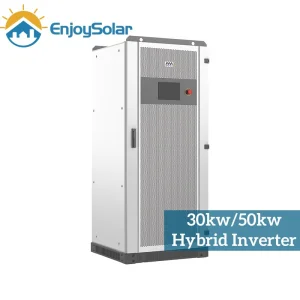
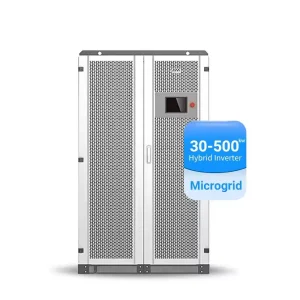
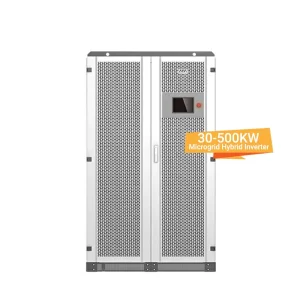
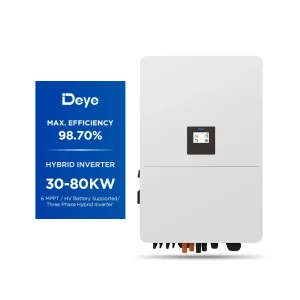
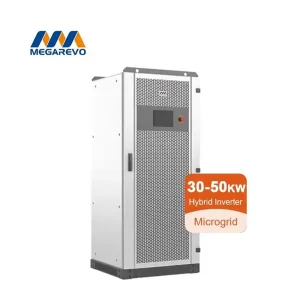
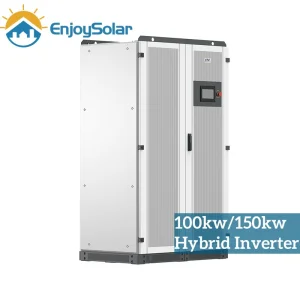
Direct answers from our core engineering department regarding deployment, grid synchronization, and tropical maintenance.
Samoan utility systems suffer from low electrical inertia due to their isolated nature. Standard AC-coupled systems require multiple conversion steps (PV-DC to AC, AC to battery-DC, and battery-DC to load-AC). These steps compound energy losses and generate excessive heat, reducing performance in tropical climates. A hybrid AC/DC configuration couples battery storage and solar arrays directly onto a common DC bus. This reduces converter losses, limits component wear, and provides faster battery discharge to buffer sudden cloud coverage over the solar fields.
Our specialized DC/DC converters utilize dynamic wide-voltage range tracking and independent channel monitoring. Retired electric vehicle (EV) batteries often display mismatched internal resistance and capacity profiles. Our proprietary algorithms balance charging loads across individual packs on the DC bus, allowing operators to combine batteries of varying capacities safely without compromising system stability.
Our microgrid equipment is rated up to IP65, featuring conformal-coated PCBs, corrosion-resistant enclosures, and isolated heat dissipation paths. For locations near the coast in Apia or Savai'i, we offer water-cooled converters that isolate the electrical components completely from the salty, humid air, significantly extending the lifespan compared to standard air-cooled designs.
Yes. June Power's bidirectional microgrid inverters are certified to international grid-connection standards (including IEEE 1547 and AS/NZS 4777). They feature built-in controls for active power curtailment, reactive power injection (VAR support), and programmable low-voltage ride-through parameters to guarantee full compliance with local Electric Power Corporation (EPC) requirements.