1 / 5
 June Power
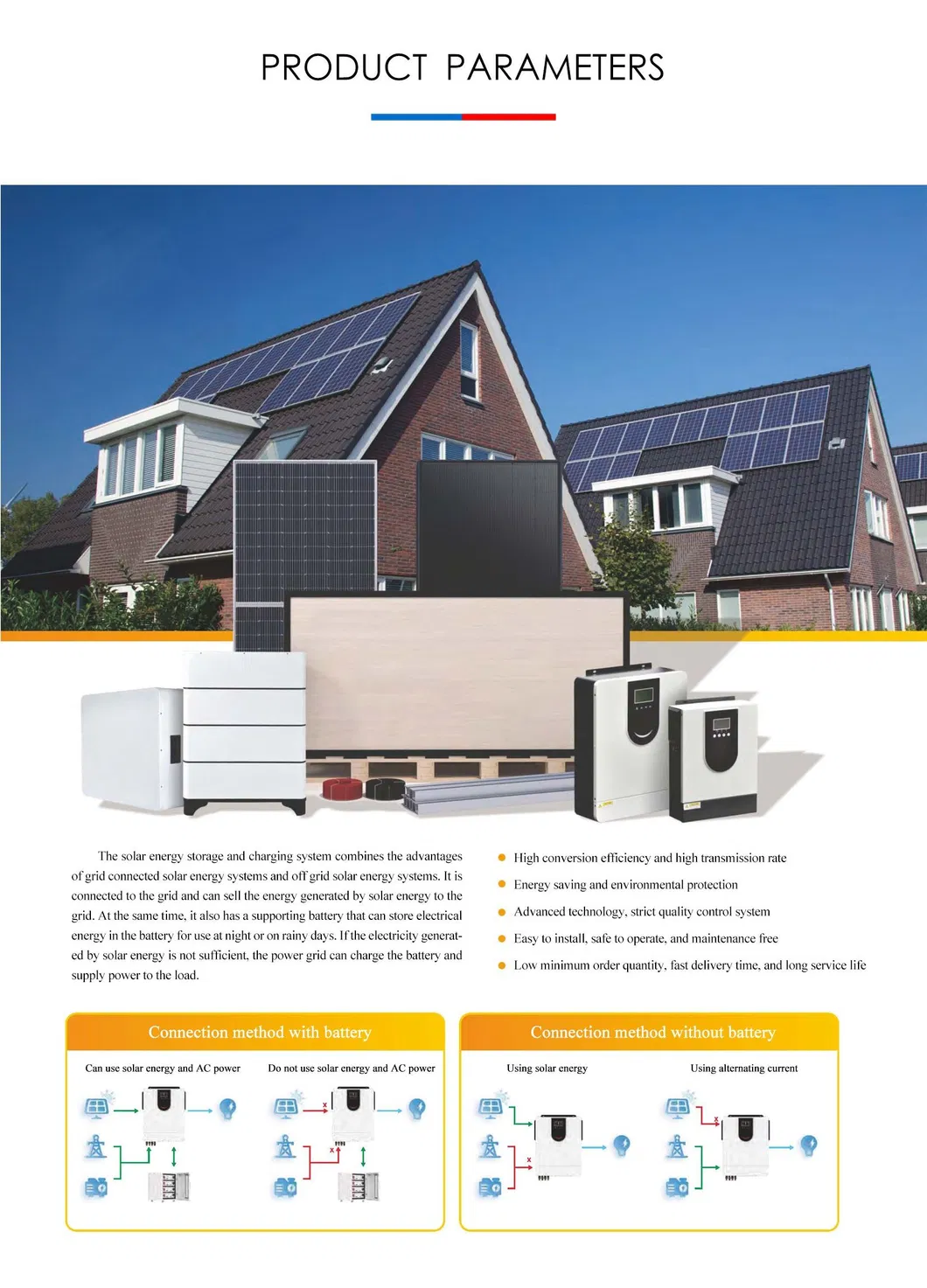
1. Photoelectric Conversion: When sunlight irradiates solar panels, semiconductor materials absorb photon energy, generating electric current. This process converts solar energy into direct current (DC).
2. Charging Control: The DC power generated enters a controller, which monitors voltage and current to adjust the charging process to the battery, preventing overcharging.
3. Energy Storage: The battery stores electrical energy through chemical reactions. When sunlight is insufficient, it converts chemical energy back into electrical energy for output.
4. Inversion and Output: An inverter transforms DC power from the battery into standard alternating current (AC), regulating voltage and frequency to meet requirements.
5. Load Power Supply: The AC power is transmitted to various electrical loads. The system dynamically balances supply based on real-time demands.
| Specification Item | Parameter Details |
|---|---|
| Nominal Voltage | 665.6V |
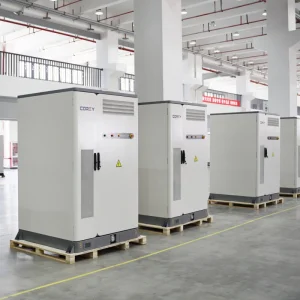
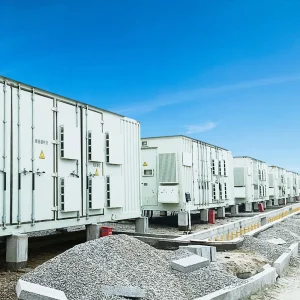
| Nominal Capacity | 209KWH (314AH) |
| Dimension (Rack) | 1090*780*1940mm |
| Weight | 1804kg |
| Charge Cut-Off Voltage | 665.6V |
| Discharge Cut-Off Voltage | 590V |
| Max. Charge/Discharge Current | 200A |
| Communication | RS485/RS232/CAN |
| Cycle Life | >6000 times (0.5C/0.5C-80% DOD) |
| Design Life | 15 years+ |
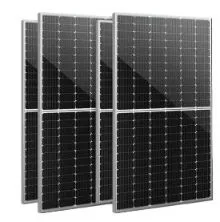
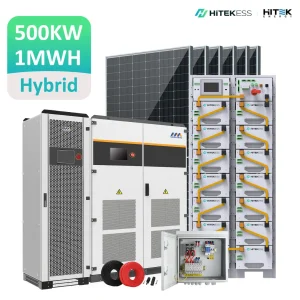
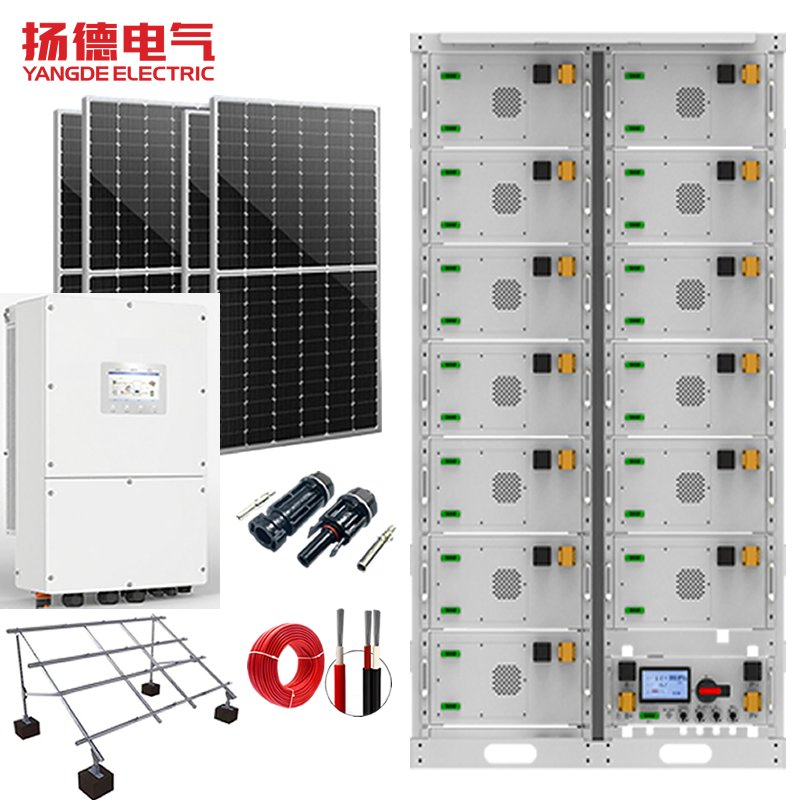
PV Module: Mono N-Type, 625W per panel, 132 cells.
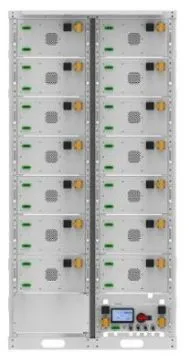
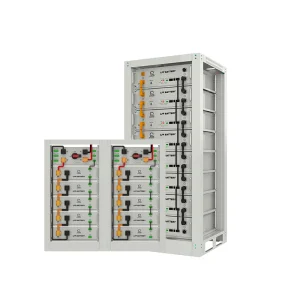
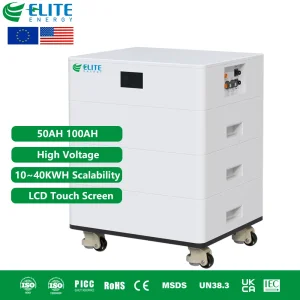
Lithium Battery (LFP): 51.2V 314AH single pack, 19-inch standard design.
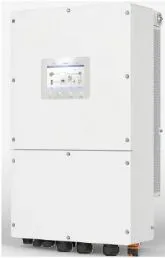
Inverter: 50K Model, Max PV input 96KW, MPPT range 150-850V.
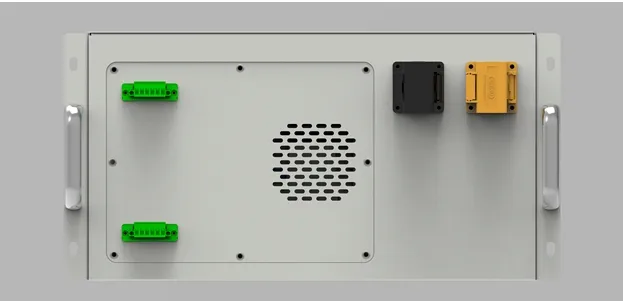
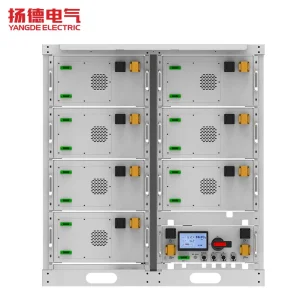
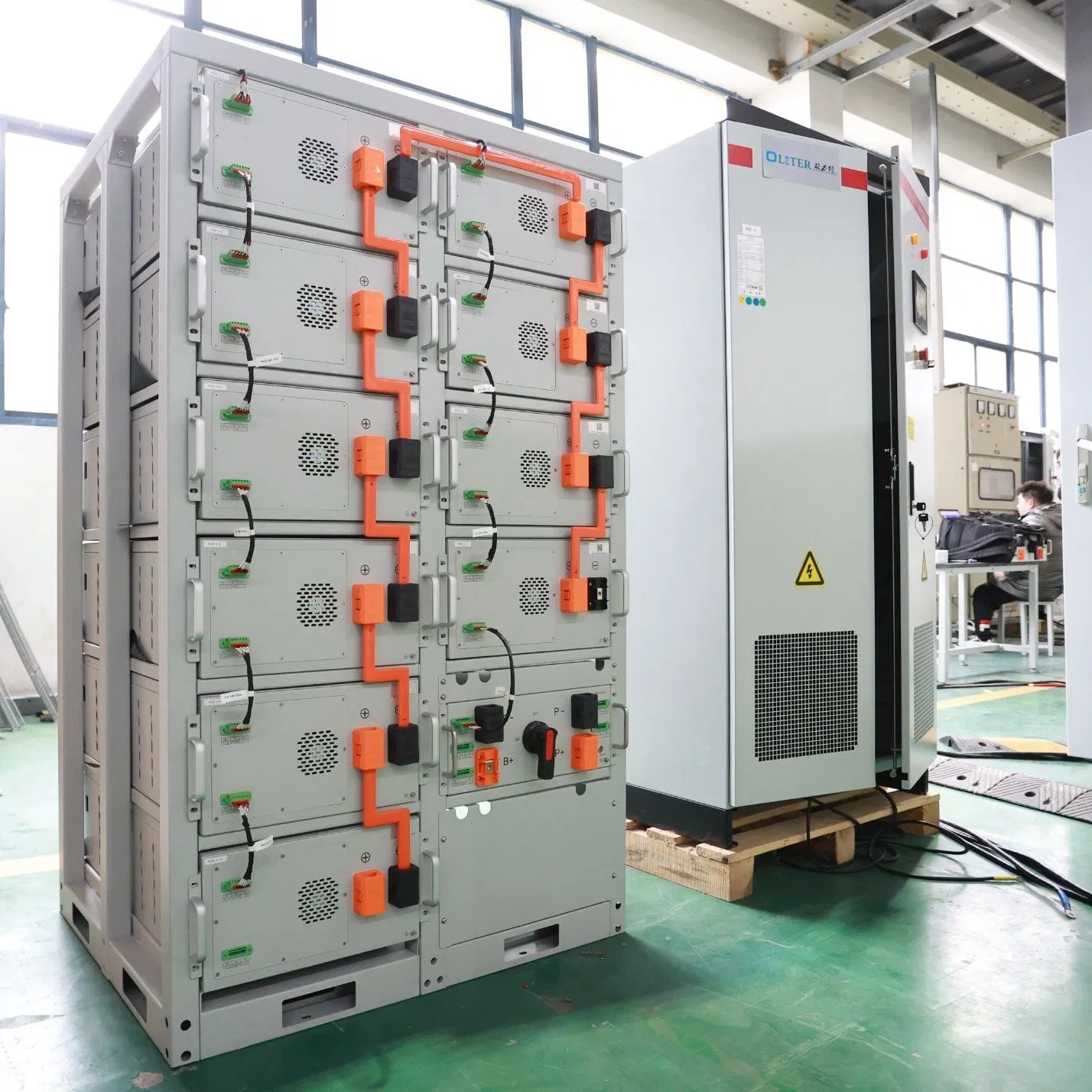
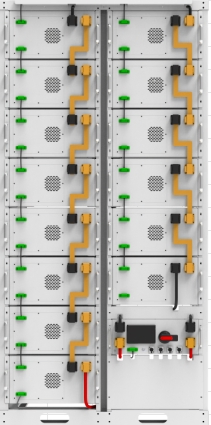
Front View

Side View
Battery pack capacity: 51.2V * 314Ah = 16.077KWh