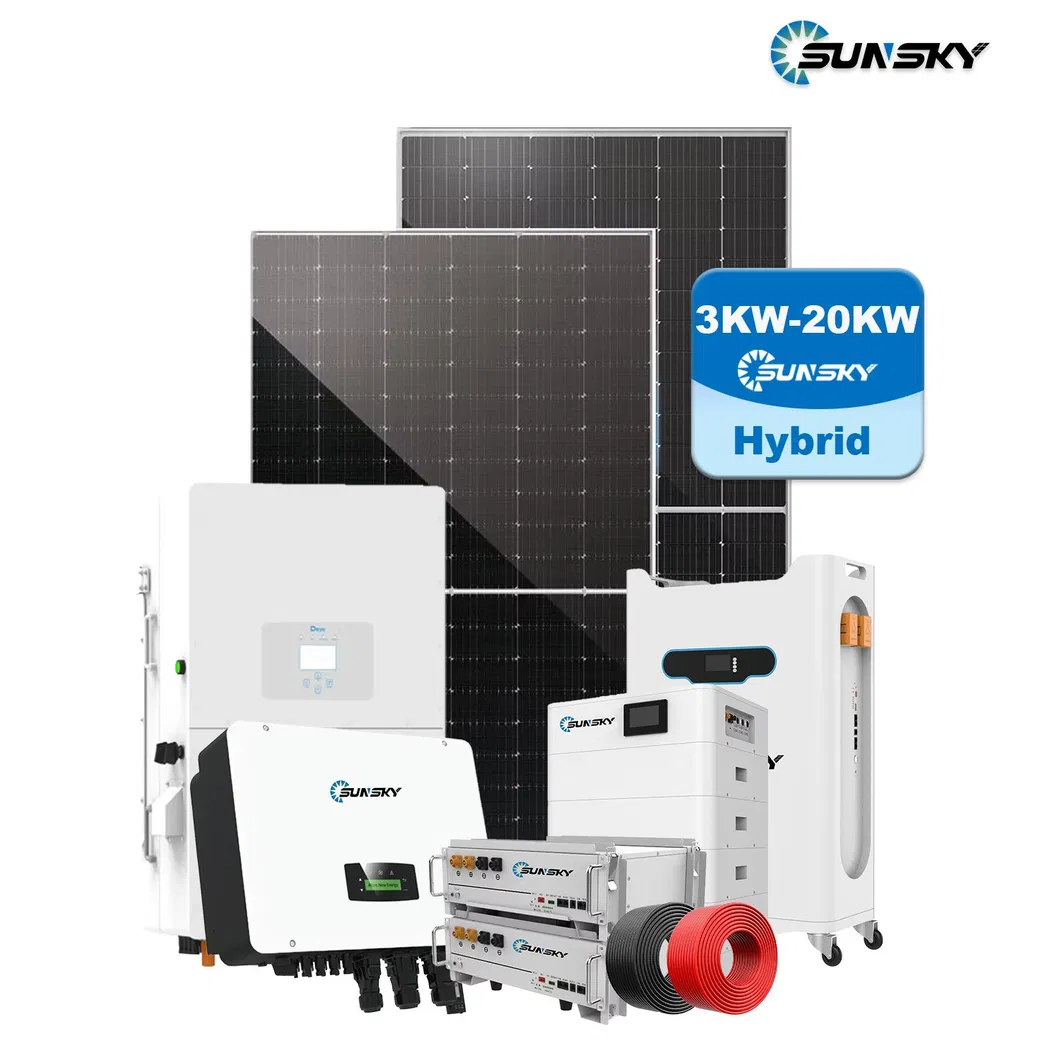
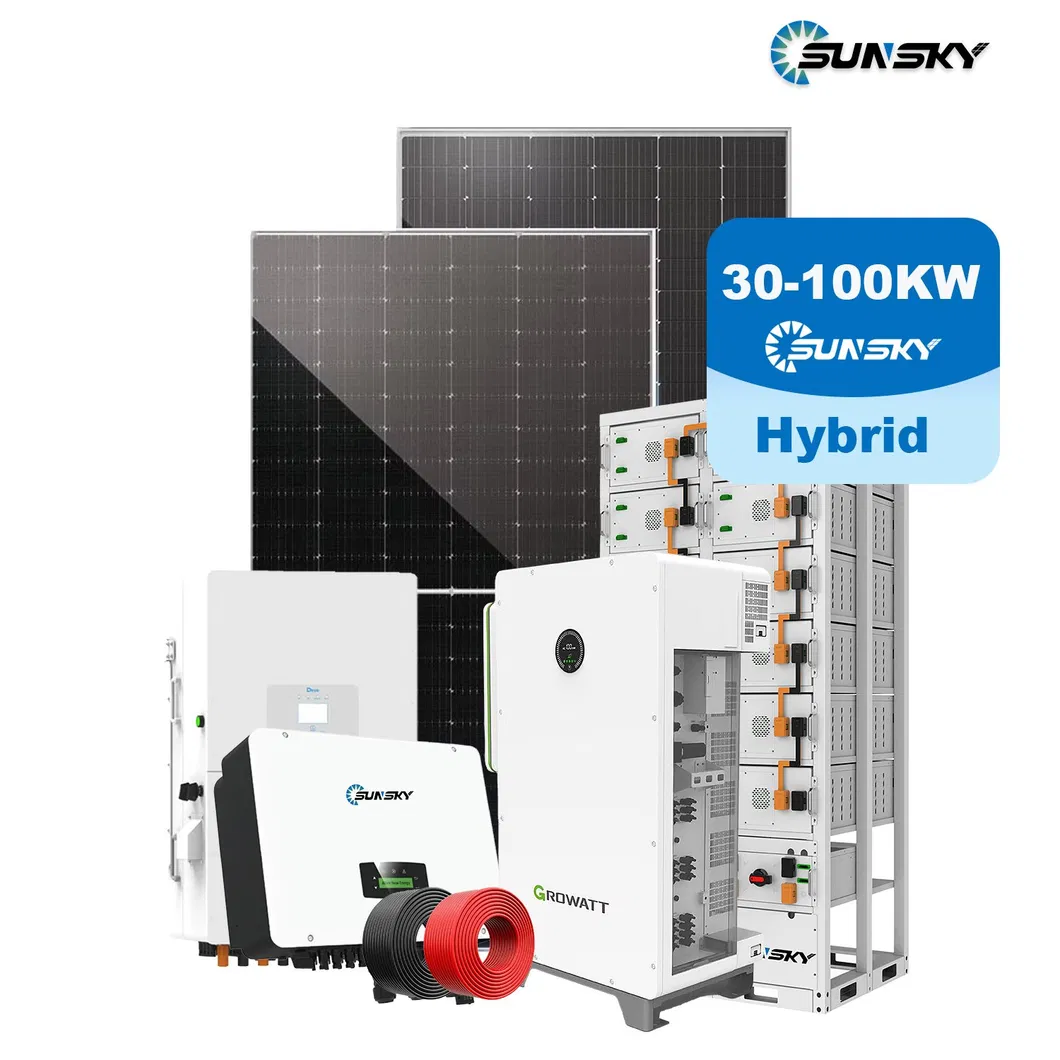
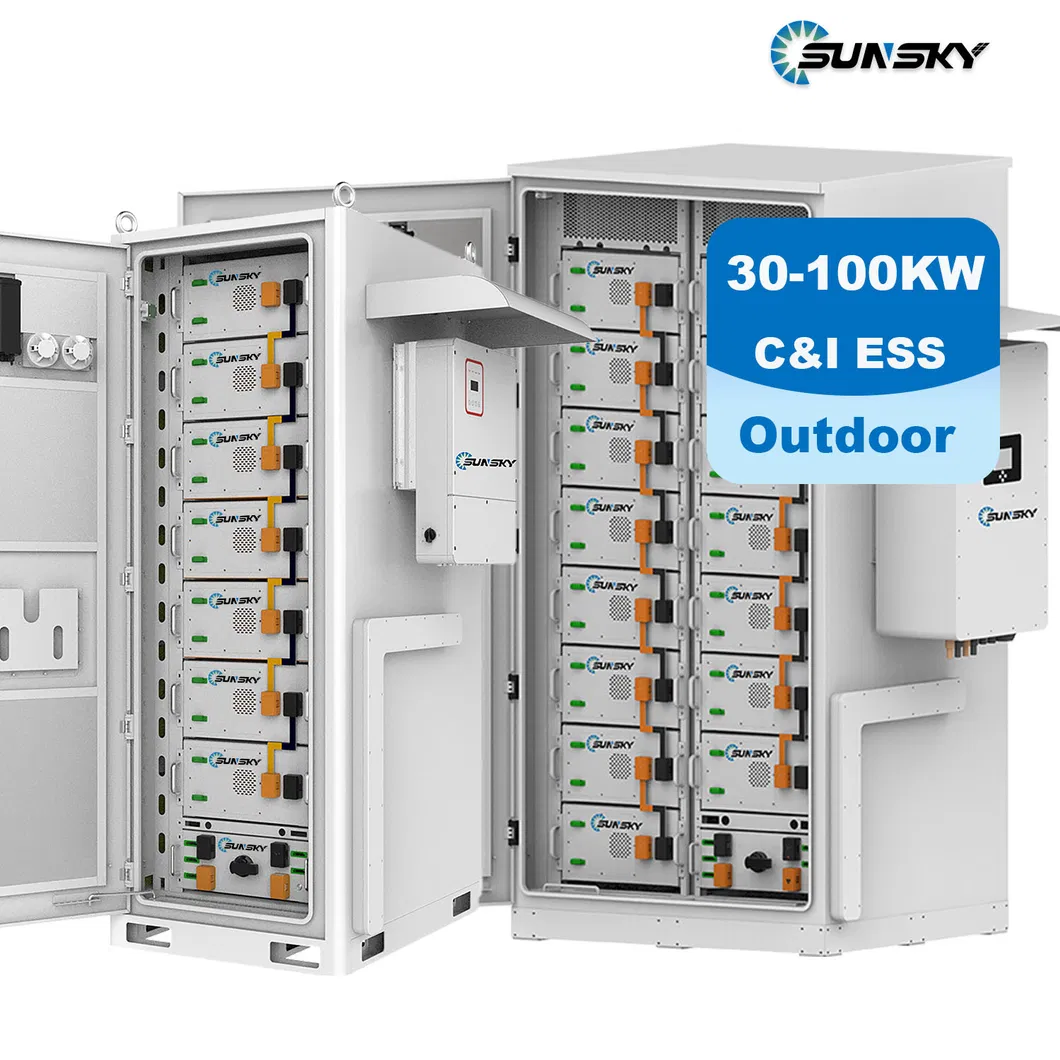
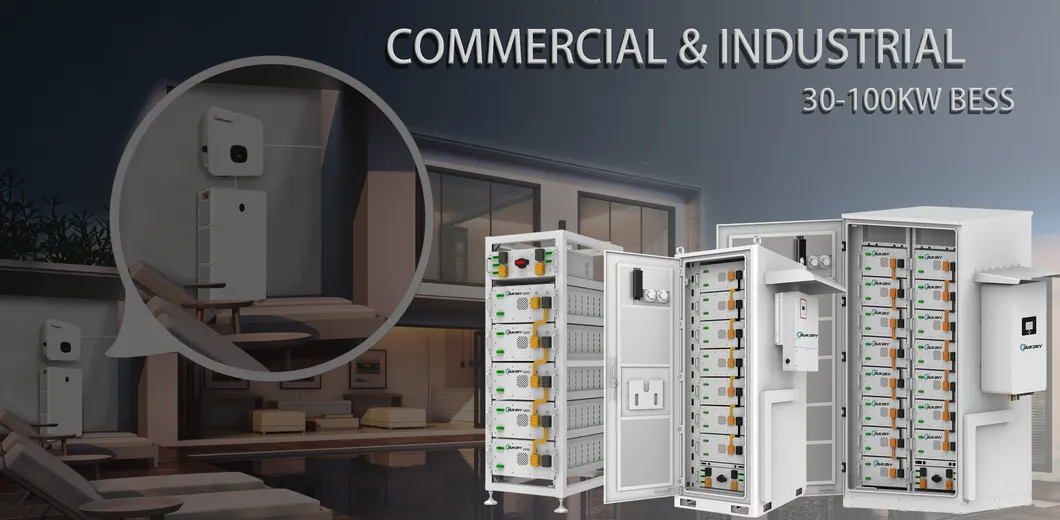
❓
FAQ
Q: How does DC coupling optimize the use of renewable energy in a large-scale system?
A: It allows for more captured solar energy to be stored directly, with minimal losses. This optimization ensures that a greater portion of the generated solar power is used either on-site or dispatched to the grid.
Q: What role does the Power Conversion System (PCS) play?
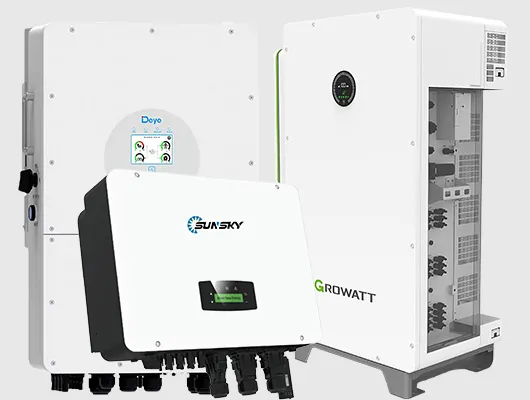
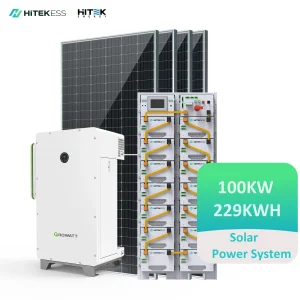
A: The PCS is the core component. It functions as a high-power, bidirectional inverter that converts DC from solar and batteries to AC for use, streamlining the infrastructure.
Q: What are the primary advantages of a DC-coupled system for on/off-grid large-scale projects?
A: Key advantages include higher overall system efficiency, simplified layout with fewer components, reduced balance of system (BOS) costs, and seamless integration.
Q: Why is DC coupling considered more efficient for large scale solar battery storage systems?
A: It avoids multiple DC-AC-DC conversion steps. Solar energy can directly charge batteries in DC form, significantly reducing energy losses.
Q: What is DC coupling in the context of large scale solar battery storage?
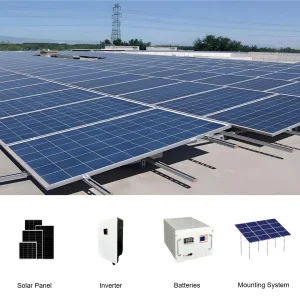
A: DC coupling is a system architecture where solar panels and batteries are connected on the same DC bus before being converted to AC by a single, centralized inverter.
Q: What is the typical lifespan of the energy storage system?
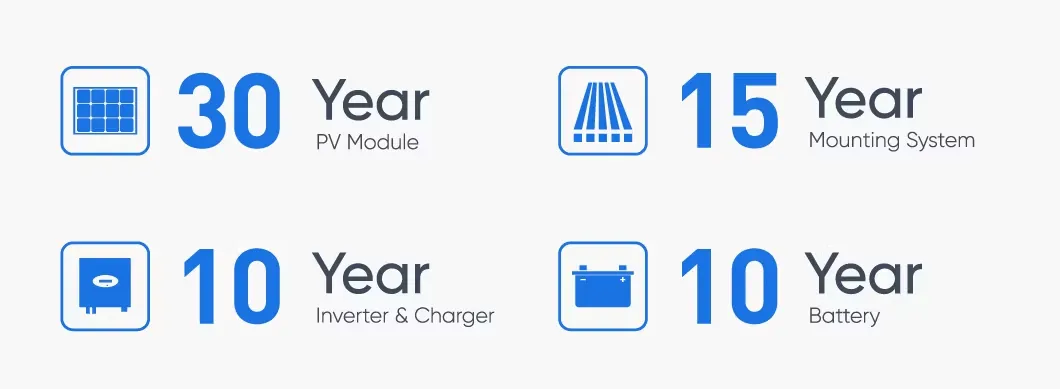
A: The system is designed for a lifespan of up to 30 years with high-quality components and professional technical guidance.
 June Power