June Power
June Power
June Power
Engineered for high temperature, extreme humidity, and severe marine salt-spray conditions typical across Tarawa and the Line Islands.
The Republic of Kiribati, an island nation comprising 32 atolls and one raised coral island scattered across the Pacific, faces unique infrastructure challenges. Historically dependent on imported petroleum products for over 60% of its primary energy requirements, the country experiences some of the highest power tariffs in the Pacific. Electricity generation costs are subject to volatile global shipping lines and oil price fluctuations, while the centralization of power in South Tarawa strains local grids.
For residential neighborhoods, healthcare clinics, and commercial operations, power outages and brownouts are frequent due to system overloading and line losses. Transitioning to distributed Residential Energy Storage Systems (RESS) is no longer just a decarbonization metric—it is a critical requirement for national energy sovereignty and basic grid stabilization.
Our systems address the direct operational pain points of Kiribati's homeowners and light industries by integrating high-efficiency solar harvesting with intelligent battery buffer systems. This allows users to store daytime photovoltaic surplus and discharge during peak evening demand, bypassing high utility tariffs and securing continuous off-grid operation during grid failures.
Designed with key technological innovations to guarantee performance in harsh coastal microclimates.
We deploy high-purity LFP cell chemistry, which is inherently safer than NMC variants under thermal stress. The cells feature a structural threshold of up to 60°C and a long lifecycle profile of >6,000 charge-discharge iterations at 80% Depth of Discharge (DoD).
Equipped with sub-millisecond UPS-class transfer speeds, our inverters guarantee seamless transitions between solar, battery storage, utility grids, and backup diesel generators. Features pure sine-wave output stability.
Designed with powder-coated galvanized sheet metal enclosures, heavy-duty rubber seals, and hydrophobic coatings on logic boards to isolate the system from moist air, salt spray, and insect intrusion.
From individual households on remote outer islands to microgrids powering commercial centers and fishing ports.


Hunan June Power Technology Co., Ltd. is a national high-tech enterprise located in Jiangbei New Area, Nanjing. June focuses on the R&D, production, and sales of PCS, Hybrid Inverters, Energy Storage Systems (ESS), and Microgrid Systems, while also engaging in the investment, development, and construction of photovoltaic and energy storage power plants.
To deliver efficient, localized technical support and services, the company has established overseas branches in Los Angeles, Warsaw, Tokyo, and Riyadh, forming a global service network that continuously provides high-quality solutions and services to clients worldwide.
In addition, June has established strategic partnerships with several leading universities, including NUAA, NUIST, and NJUIT. Together, they have set up doctoral research workstations and co-developed talent cultivation platforms dedicated to the transformation of scientific achievements in the new energy sector, providing solid support for continuous innovation and breakthroughs in energy storage technologies and microgrid systems.
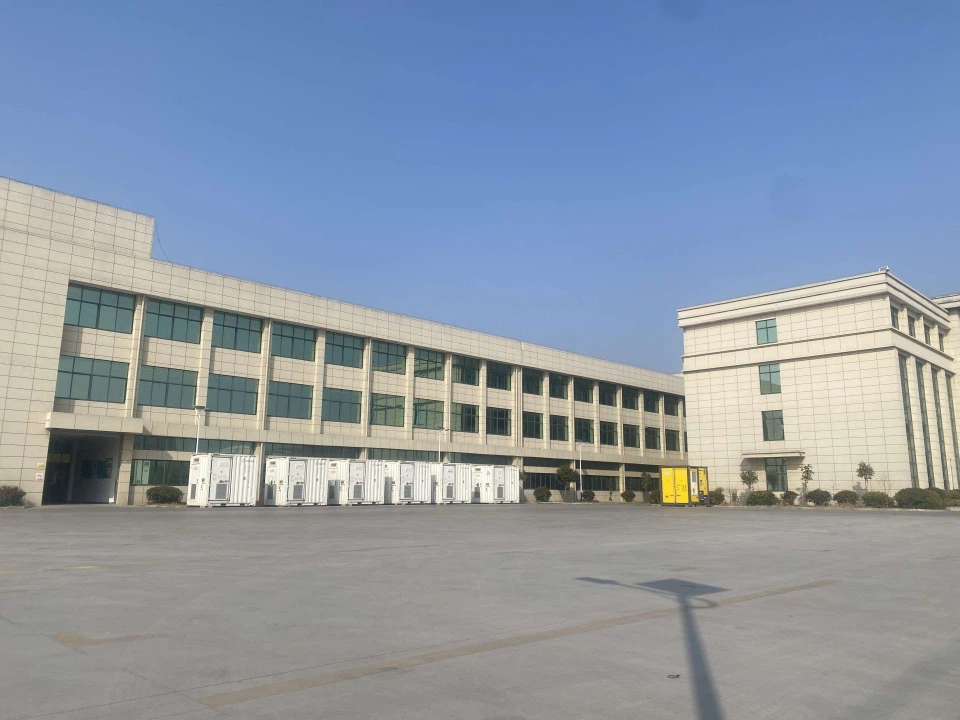


Producing reliable systems that withstand the transit and environmental demands of Micronesia and the Central Pacific starts at our core manufacturing base. June Power implements complete trace-to-cell quality monitoring across our 100,000 m² automated production line:
Shipping complex lithium products to South Tarawa (Betio Port) requires adherence to international dangerous goods guidelines (Class 9 UN38.3). Hunan June Power manages all sea freight compliance paperwork, using customized wooden crates with thermal insulation blankets to guarantee cells do not degrade in transit.
Through close coordination with regional shipping lines, we guarantee transparent delivery schedules to Kiribati, providing full documentation package compliance (CE, UN38.3, IEC62619, IEC62109) required for customs clearing and utility approval processes (PUB Kiribati).
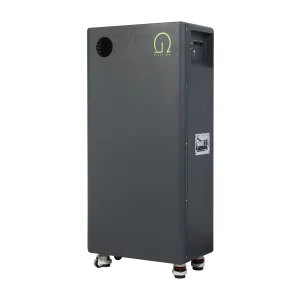
Select from our range of floor-standing and integrated storage solutions for versatile installation options.
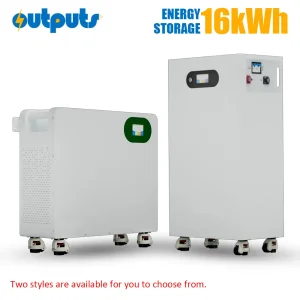
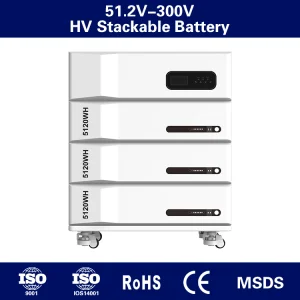
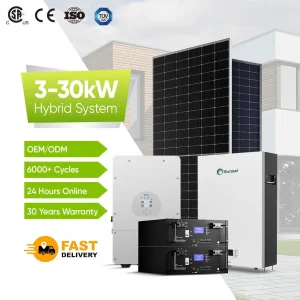
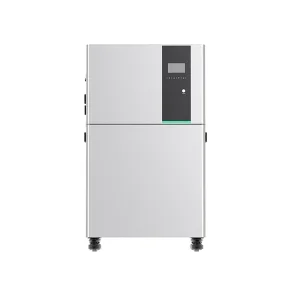
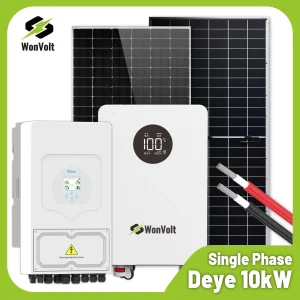
Maintaining infrastructure in remote areas like Kiribati can be challenging. To solve this, all of our hybrid inverters come equipped with built-in Wi-Fi and 4G communication modules. The system connects directly to the June Cloud Portal, allowing our engineers to remotely monitor cell balance, upgrade firmware, and troubleshoot configuration issues. This minimizes the need for on-site technical support.
For large-scale community developments or NGO-funded housing initiatives, operations managers can monitor multiple storage systems from a single central dashboard, tracking metrics like solar yields, diesel replacement rates, and carbon offset levels.
Grid integration requires compliance with specific parameters to prevent phase imbalance and grid failure. Our systems support custom programming profiles to match localized rules, including over-voltage trip thresholds, dynamic reactive power support, and frequency droop controls. This makes approval processes with utility companies straightforward.
Everything you need to know about purchasing, deploying, and maintaining residential energy storage systems in Kiribati.