June Power
June Power
June Power
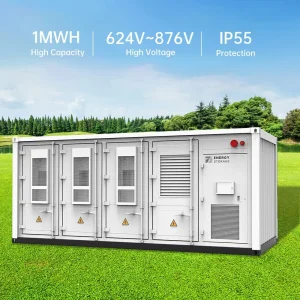
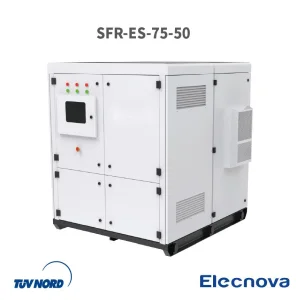
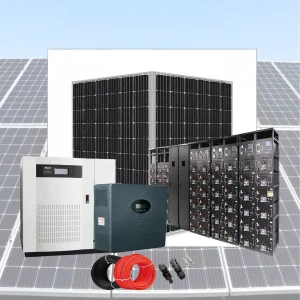
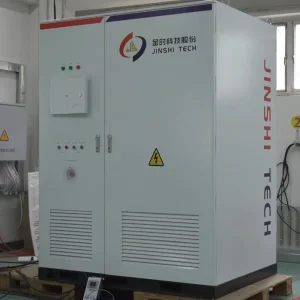
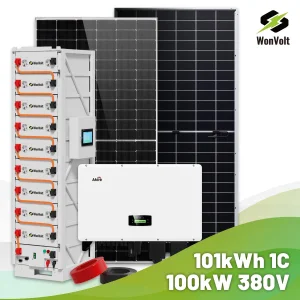
Equatorial Guinea, comprising the mainland region of Rio Muni and islands such as Bioko (home to the capital Malabo) and Annobón, presents a highly specialized geographical and logistical context for modern electrical grids. Historically dependent on centralized thermal generation and heavy liquid fuels, the nation's key industrial nodes (including LNG processing, timber harvesting, offshore oil & gas extraction, and expanding commercial fisheries) require uninterrupted, stable electricity.
However, grid stability across the continental dynamic and remote island territories is frequently compromised by high relative humidity, extreme marine-saline corridors, and localized infrastructure challenges. Under the National Economic and Social Development Plan, there is an aggressive push toward hybridizing existing grids and establishing decentralized microgrid networks. By decoupling remote critical assets from unreliable transmission lines, local operations can achieve a secure energy footprint.
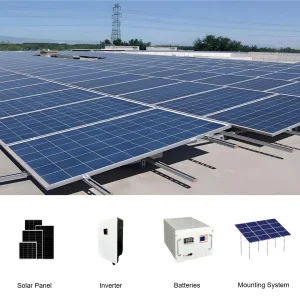
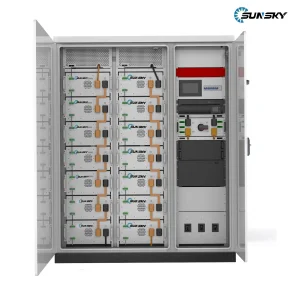
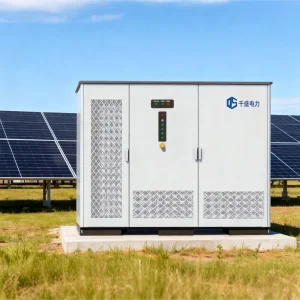
Deploying intelligent off-grid microgrid systems engineered with robust thermal cooling and anti-corrosion enclosures solves the operational vulnerability of remote facilities. Replacing high-operating-cost diesel generators with smart hybrid configurations (Solar PV + Battery Energy Storage Systems) reduces fuel shipping logistics, guards against international pricing fluctuations, and guarantees continuous energy security for both public utilities and private industrial installations.
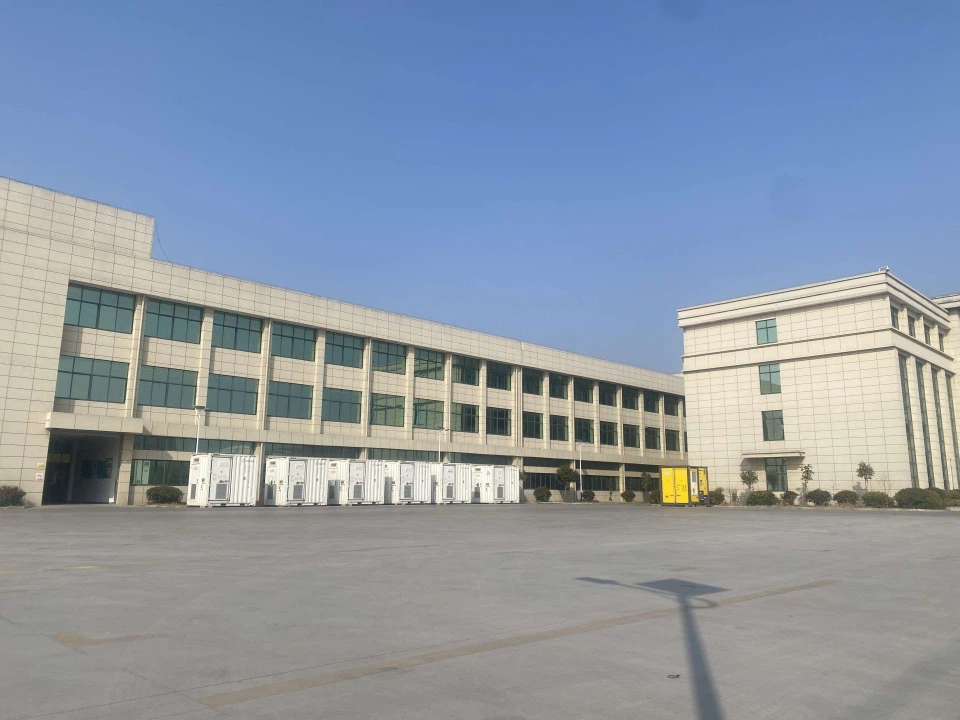
Standard forced-air BESS solutions suffer from internal hot-spotting when operating in ambient temperatures above 35°C, accelerating battery degradation. Our high-capacity systems employ advanced liquid-cooling lines to maintain uniform cell temperatures, extending operational life by up to 25%.
We source ultra-stable Lithium Iron Phosphate (LFP) cells designed for cycling profiles under harsh off-grid configurations. Offering high thermal runaway thresholds, these cells ensure the highest degree of occupational safety and up to 6,000 charge-discharge cycles at 80% DOD.
Integrated Energy Management Systems (EMS) and Power Management Systems (PMS) perform real-time monitoring of PV generation, battery status, and generator startup. Algorithms optimize fuel conservation and prevent voltage/frequency dips on isolated industrial grids.
The roadmap for power delivery focuses on decentralized energy hubs. Implementing microgrids allows isolated mining assets, coastal ports, and agricultural processing zones to create localized distribution networks. With remote diagnostic capabilities linked via satellite (VSAT) interfaces, field engineers in Malabo or Bata can oversee energy metrics, identify cell voltage anomalies, and dispatch predictive maintenance alerts long before hardware failure occurs.
Additionally, integration of Hydrogen electrolyzers and secondary biofuel-compatible diesel generators provides a clear path towards complete decarbonization. These systems guarantee that essential operations remain powered even during prolonged periods of heavy cloud cover or seasonal monsoon weather, preventing expensive productivity losses.


Our microgrid equipment is designed and manufactured under rigorous quality systems at our advanced 100,000+ m² facility. As an enterprise recognized for technical innovation, we integrate top-tier components, precision automation, and thorough thermal testing to build resilient power solutions.
Our vertically integrated production pipeline controls the assembly process from raw metal container structuring and anti-corrosive powder coating to cell sorting and PCS burn-in tests. By employing automated robotics and AI-driven quality checks, every BESS container and hybrid inverter leaves the production line optimized for 15+ years of operational service under heavy industrial workloads.
For international buyers in Equatorial Guinea, this centralized manufacturing approach guarantees faster turnaround times, comprehensive quality documentation, and rigorous factory acceptance testing (FAT) before shipment, ensuring hassle-free installation on-site.

Fully integrated production floors in China housing automated battery assembly & test bays.

Dedicated PhDs and energy storage experts co-developing technology with top universities.

Proprietary thermal cooling design, hybrid PCS algorithms, and smart BMS innovations.

A trusted brand with operations spanning Europe, the Americas, Africa, and the Middle East.
Procurement directors and engineers managing new energy integration projects in Equatorial Guinea must balance performance parameters, long-term return on investment (ROI), and local regulatory compliance. Integrating utility-grade energy assets requires close cooperation with the Ministry of Mines and Hydrocarbons, as well as adherence to the Unified Environmental Protection Regulations for oil, gas, and mining concessions.
A key financial metric for isolated grids is the Levelized Cost of Storage (LCOS). By utilizing smart lithium storage technology instead of traditional diesel generators, developers can lower their levelized energy cost from approximately $0.45/kWh down to less than $0.12/kWh over the system's operational lifetime. This transition offers a strong business case, showing payback times of under 4 years for heavy industrial installations.
Transporting containerized assets to Bata or Malabo ports requires specialized shipping logistics and documentation. Our experienced logistics teams manage all export procedures from our factory in China directly to Equatorial Guinea, including pre-shipment inspections and sea freight transit in standard marine containers. All documentation is prepared to match the standards required by the Customs and Excise Administration of Central African States (CEMAC).
To ensure high uptime, we provide remote diagnostics and localized field support teams for site installation, testing, and commissioning. We offer specialized training programs for local technical personnel, enabling on-site maintenance crews to handle basic daily checks, filter replacements, and system monitoring with confidence.
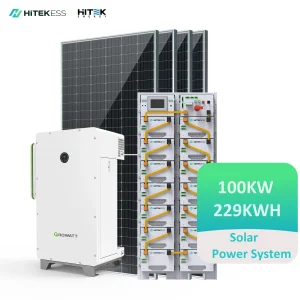
Get in touch with our engineering team for custom configurations, sizing simulations, and project estimates.