June Power
June Power
June Power
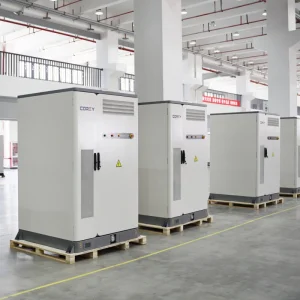
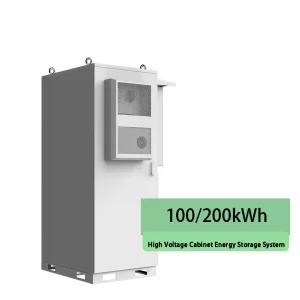
Premium BESS architecture designed for rugged deployment and grid-independent operations.
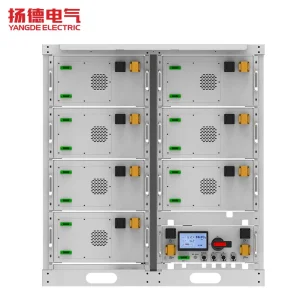
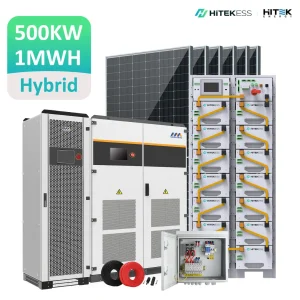
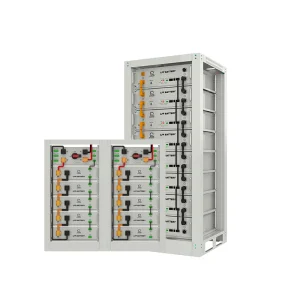
An in-depth analysis of off-grid electrification and energy independence in Central Asia.
Afghanistan’s electrical infrastructure is characterized by severe fragmentation and a heavy reliance on imported power from neighboring Central Asian states, including Uzbekistan, Tajikistan, Turkmenistan, and Iran. Historically, imported electricity has accounted for more than 70% of the country’s total consumption. Due to geopolitical instabilities, transmission line vulnerabilities, and payment settlement complexities, the national grid experiences chronic load shedding, voltage fluctuations, and unpredictable outages. For industrial parks, agricultural cold storage operations, and commercial enterprises in Kabul, Herat, Kandahar, and Mazar-i-Sharif, this lack of energy security translates directly into high operational losses and a dependence on expensive, emission-intensive diesel generators.
To transition away from fossil-fuel reliance and overcome the constraints of an unstable utility grid, public and private sectors are rapidly adopting utility-scale solar photovoltaic (PV) installations. However, solar intermittency presents a major technical challenge. Without robust energy storage, solar power cannot provide the stable, continuous power required for critical industrial processes. High-Voltage Battery Energy Storage Systems (BESS) represent the technological breakthrough needed to bridge this gap. By offering high round-trip efficiency, fast response times, and the ability to operate under harsh environmental conditions, high-voltage battery storage provides a reliable backup to stabilize microgrids across the region.
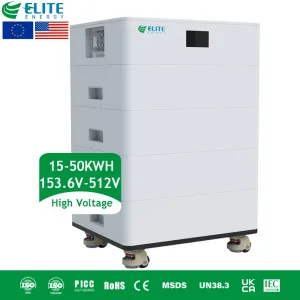
In modern commercial and industrial (C&I) applications, the industry has shifted away from traditional low-voltage (48V–100V) battery packs toward high-voltage (600V–1500V DC) system architectures. High-voltage energy storage systems connect battery cells in long series strings, raising the system operating voltage. This architectural transition delivers several critical advantages:
| Parameter | Low-Voltage (LV) Systems (<100V) | High-Voltage (HV) Systems (600V - 1500V) | Operational Impact for Afghan Projects |
|---|---|---|---|
| System Efficiency | Lower (Higher I²R heat losses) | Higher (Minimizes conduction losses) | Maximizes solar yield in remote high-temperature sites. |
| Cable Cross-Section | Thick, heavy copper cables required | Thin, lighter copper/aluminum cabling | Reduces material costs and simplifies remote site installation. |
| Inverter Compatibility | Requires transformer step-up | Direct DC-coupling to modern grid inverters | Fewer components, higher reliability, and easier maintenance. |
| Footprint & Density | Bulkier cabinets, decentralized BMS | Compact, high-density modular racks | Lowers shipping costs and enables containerized plug-and-play setup. |
Tailored energy storage designs built to withstand extreme climates, high altitudes, and weak grids.

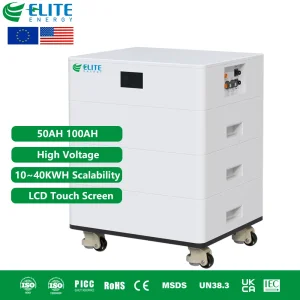
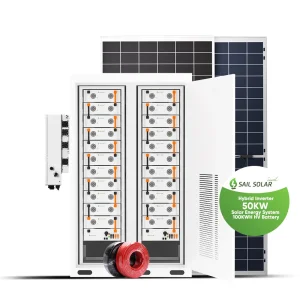
Industrial parks in Kabul, Herat, and Kandahar require continuous power for manufacturing and processing. Integrating high-voltage battery racks alongside PV arrays helps mitigate daily grid dropouts, optimizes energy costs, and reduces reliance on backup diesel generators.

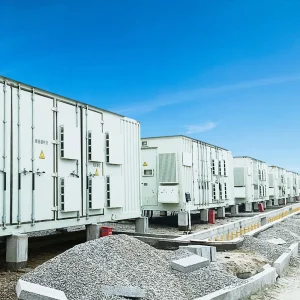
High-voltage, containerized BESS installations (ranging from 1MW to 10MW) provide key grid services, including frequency regulation, peak shaving, and active voltage stabilization for regional substations connected to imports or local hydroelectric sources.

Off-grid communities, mining operations, and remote telecom towers rely on hybrid solar-diesel-battery microgrids. Our systems balance generation and load in real time, reducing fuel consumption and extending the operational life of backup equipment.
Deploying commercial and industrial energy storage systems in Afghanistan requires robust designs capable of handling high altitudes, dust storms, and extreme seasonal temperature variations—ranging from sub-zero winters to hot summers. Hunan June Power's high-voltage solutions utilize premium Lithium Iron Phosphate (LiFePO4) cell chemistry, widely recognized for its safety, thermal stability, and long cycle life.
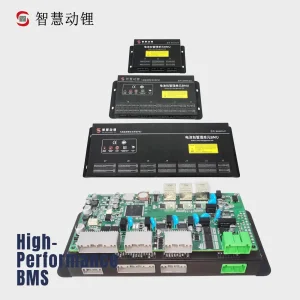
Our systems feature multi-layered Battery Management System (BMS) architectures, liquid or intelligent air-cooling options, and IP54 or IP65 enclosures. Additionally, the system supports built-in fire suppression (clean agent/aerosol) and has earned certifications including CE, UN38.3, MSDS, and IEC 62619, ensuring reliable operation under challenging environmental conditions.
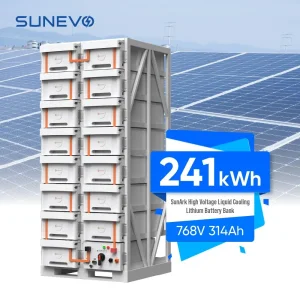
The global energy storage industry is rapidly moving toward higher energy density, liquid-cooled thermal management, and 1500V DC operating limits. Liquid cooling enables temperature uniformity across battery cells within 2°C, which helps extend cycle life and prevent localized hotspots. Operating at 1500V DC lowers electrical currents, reduces balance-of-system (BOS) costs, and increases overall energy density.
In developing energy markets like Afghanistan, the primary focus is on expanding hybrid, grid-forming inverter systems. Unlike traditional grid-following systems that require a stable external voltage source to synchronize, grid-forming inverters can act as the voltage source itself. This allows for stable off-grid microgrids capable of managing high-inductive motor loads (such as pumps, compressors, and mining mills) without grid failure.
Get in touch with Hunan June Power’s engineering team for load profile calculations, BESS sizing, and complete technical proposals tailored for projects in Afghanistan.
Send Inquiry NowHunan June Power Technology Co., Ltd. is a national high-tech enterprise located in Jiangbei New Area, Nanjing. June focuses on the R&D, production, and sales of PCS, Hybrid Inverters, Energy Storage Systems (ESS), and Microgrid Systems, while also engaging in the investment, development, and construction of photovoltaic and energy storage power plants.
The company operates an R&D and manufacturing base of over 100,000 m², and its products are distributed in more than 100 countries and regions across Europe, the Americas, Oceania, Africa, the Middle East, and Southeast Asia. To deliver efficient, localized technical support and services, the company has established overseas branches in Los Angeles, Warsaw, Tokyo, and Riyadh, forming a global service network that continuously provides high-quality solutions and services to clients worldwide.
In addition, June has established strategic partnerships with several leading universities, including NUAA, NUIST, and NJUIT. Together, they have set up doctoral research workstations and co-developed talent cultivation platforms dedicated to the transformation of scientific achievements in the new energy sector, providing solid support for continuous innovation and breakthroughs in energy storage technologies and microgrid systems.
Learn More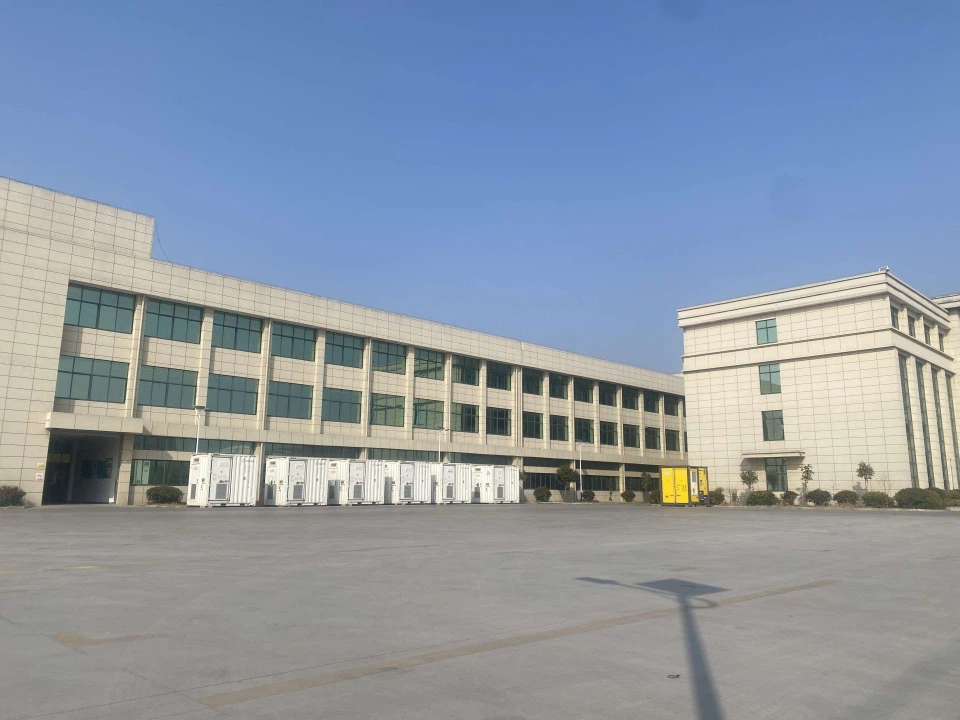


Key technical and logistical information on deploying high-voltage energy storage systems.
Explore our complete range of certified high-voltage products, available for deployment in Afghanistan.