June Power
June Power
June Power
The global energy landscape is undergoing a monumental shift. As the world pivots toward decarbonization, the demand for Scalable Energy Storage Systems (ESS) has transitioned from a niche requirement to a fundamental pillar of modern infrastructure. From the bustling industrial zones of Southeast Asia to the renewable energy farms in the European Union, scalability is the defining factor for future-proof energy investments.
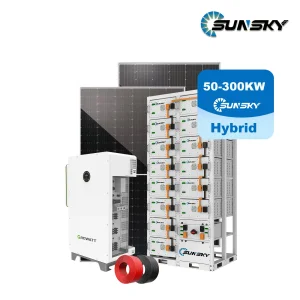
Current industrial status shows that "Scalable" no longer just means "adding more batteries." It refers to an intelligent, modular architecture where Power Conversion Systems (PCS), Battery Management Systems (BMS), and Energy Management Systems (EMS) work in harmony. This allows enterprises to start with a modest investment (e.g., a 100kWh cabinet) and seamlessly expand to multi-megawatt (MWh) containerized solutions as their energy needs grow. This modularity reduces the initial capital expenditure (CAPEX) while ensuring that the infrastructure can adapt to fluctuating energy prices and grid demands.
The global BESS (Battery Energy Storage System) market is projected to grow at a CAGR of over 25% through 2030. Major economies like the USA, Germany, China, and Australia are leading the charge, driven by government incentives like the Inflation Reduction Act (IRA) and the REPowerEU plan. Scalable energy storage is at the heart of this growth, providing the necessary flexibility for grid stability and renewable integration.
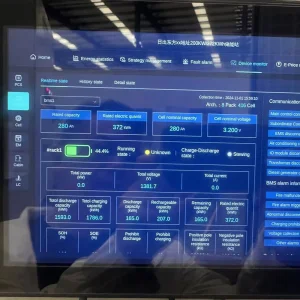
Technological advancement in energy storage is moving toward higher energy density and safer chemistries. Lithium Iron Phosphate (LiFePO4) has become the industry standard due to its thermal stability and long cycle life. However, the real "AI Tech" feel comes from the software layer. Modern scalable systems now incorporate AI-driven predictive maintenance and peak-shaving algorithms that analyze weather patterns and historical load data to optimize battery usage.
Another significant trend is the rise of Liquid Cooling Systems. For large-scale 1MW+ containers, liquid cooling ensures a temperature differential of less than 3°C between cells, significantly extending the lifespan of the battery packs compared to traditional air-cooled systems. This is crucial for high-demand industrial applications where reliability is non-negotiable.
What are global buyers looking for in a Top Best OEM/ODM Scalable Energy Storage Factory? The criteria have evolved. It’s no longer just about the price per kilowatt-hour; it’s about "Bankability" and "Interoperability."
Uptime Requirement for C&I Clients
Years of Design Life expectations
Quality Component Sourcing
Tolerance for Thermal Runaway
Enterprises now demand comprehensive OEM/ODM services. This includes custom branding for EPC (Engineering, Procurement, and Construction) companies, specific voltage requirements for different regional grids (e.g., 480V in the US vs. 400V in the EU), and integrated fire suppression systems that meet local safety codes like NFPA 855 or UL 9540.
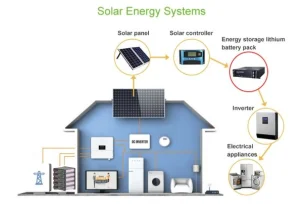
Factories in high-tariff regions use our scalable cabinets for Peak Shaving. By charging during off-peak hours and discharging during peak demand, they save thousands in monthly utility costs. Our 0.5MW to 2MW systems are perfect for textile mills, data centers, and cold storage facilities.
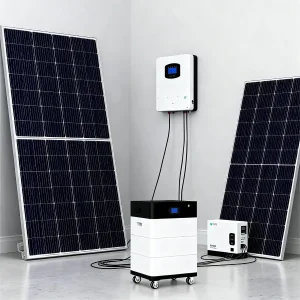
In island communities or remote mining sites, scalable ESS acts as the heart of the microgrid. It stabilizes the intermittent power from solar PV arrays and provides a seamless transition to diesel generators only when absolutely necessary, reducing fuel consumption by up to 60%.
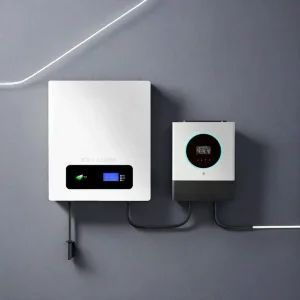
For modern homes, scalability means starting with a 10kWh "Power Wall" and stacking up to 100kWh as the family adds electric vehicles (EVs) or smart home appliances. Our Saftec series provides this elegant, stackable convenience.
As a premier Top Best OEM/ODM Scalable Energy Storage Supplier based in China, we offer advantages that are difficult to replicate elsewhere. China currently controls over 70% of the global lithium-ion battery supply chain, providing us with unparalleled access to raw materials and cutting-edge R&D.
Our proximity to the world's best cell manufacturers and PCS component suppliers allows us to compress lead times and offer highly competitive pricing without compromising on quality. We utilize Tier 1 Grade A cells in every build.
Our engineering team in Nanjing can move from a concept design to a functional prototype in weeks, not months. Whether you need a specific communication protocol (CAN/RS485) or a unique enclosure color, our ODM capabilities are limitless.
Beyond hardware, we provide the "China Speed" in service. With our global branches in Poland, the USA, and Saudi Arabia, we bridge the gap between world-class Chinese manufacturing and localized technical support.
Hunan June Power Technology Co., Ltd. is a national high-tech enterprise located in Jiangbei New Area, Nanjing. June focuses on the R&D, production, and sales of PCS, Hybrid Inverters, Energy Storage Systems (ESS), and Microgrid Systems, while also engaging in the investment, development, and construction of photovoltaic and energy storage power plants.
The company operates an R&D and manufacturing base of over 100,000 m², and its products are distributed in more than 100 countries and regions across Europe, the Americas, Oceania, Africa, the Middle East, and Southeast Asia. To deliver efficient, localized technical support and services, the company has established overseas branches in Los Angeles, Warsaw, Tokyo, and Riyadh, forming a global service network.
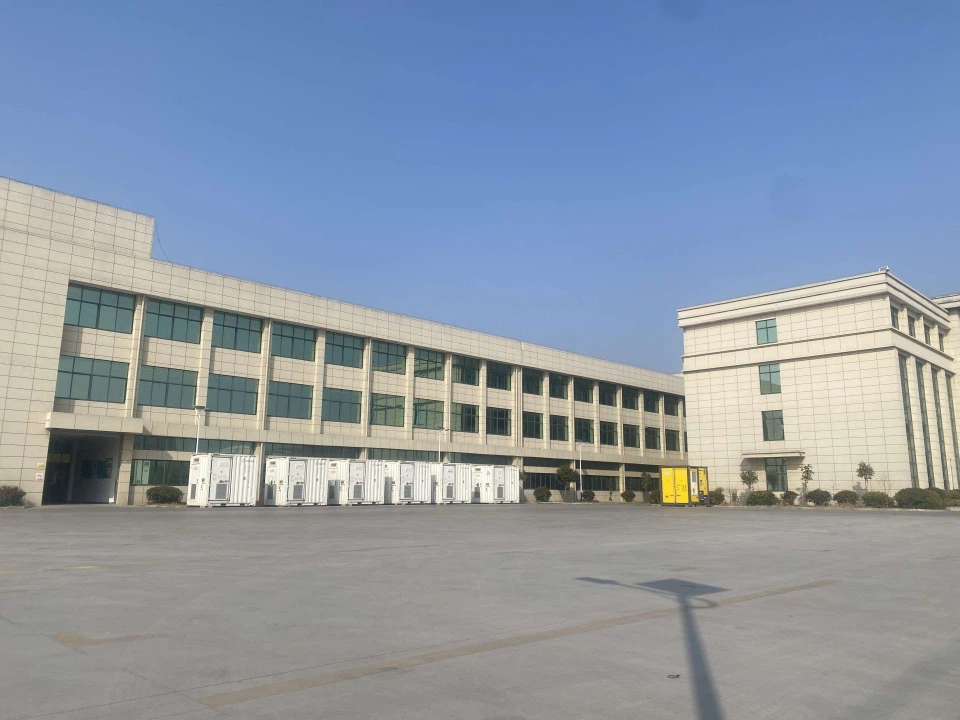

Square Meters Production Area

Strong Technical Experts

Utility Model Patents

Global Market Presence

C & I

Utility-scale

Solar power field
Our commitment to being the Top Best OEM/ODM Scalable Energy Storage Supplier extends beyond manufacturing. We are actively involved in academic partnerships with institutions like NUAA and NUIST, ensuring our technology remains at the cutting edge of battery science. From high-voltage air-cooled systems to all-in-one smart residential units, our product portfolio is designed to solve the world's most pressing energy challenges.
In the coming years, we will continue to focus on energy density improvements and the integration of AI IoT protocols, making energy storage not just a hardware component, but a smart asset that generates revenue through grid participation and energy trading.