June Power
June Power
June Power
The global Battery Management System (BMS) market is currently experiencing an unprecedented surge, driven by the aggressive transition towards electrification in the automotive sector and the rapid expansion of renewable energy storage systems (ESS). As of 2024, the BMS industry has evolved from a secondary component market into a critical pillar of the global green economy. In industrial and commercial (C&I) sectors, the BMS acts as the "brain" of the battery pack, ensuring safety, longevity, and efficiency.
Modern industrial applications require BMS solutions that can handle high-voltage and high-capacity packs, particularly for grid-level stabilization and large-scale manufacturing plants. The shift from lead-acid to lithium-ion, and now towards solid-state and sodium-ion batteries, has necessitated a parallel evolution in BMS technology. Manufacturers are no longer just looking for monitoring tools; they are seeking sophisticated AI-driven systems capable of predictive maintenance and real-time State-of-Health (SOH) diagnostics.
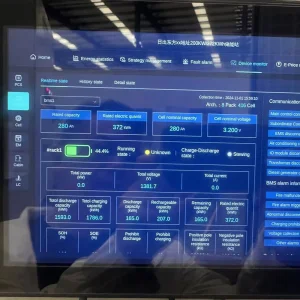
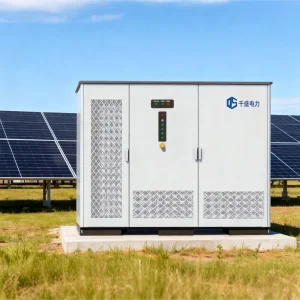
For large-scale utility projects, the integration of 0.5MW 1.075mwhbess Battery Energy Storage Cabinets is becoming the industry standard. These systems require highly customized BMS architectures that can communicate seamlessly with grid-connected inverters and master controllers. Our factory specializes in the development of these multi-tier BMS solutions, ensuring that every cell within a containerized system performs at peak efficiency while mitigating thermal runaway risks.
The landscape of BMS manufacturing is shifting towards Smart Digitalization and Wireless BMS (wBMS). Here are the core trends defining the market today:
1. AI and Machine Learning Integration: Top manufacturers are now embedding AI algorithms within the BMS firmware to predict battery life cycles with 99% accuracy. This allows operators to perform maintenance before a failure occurs, drastically reducing downtime in commercial applications.
2. Functional Safety Standards (ISO 26262 & IEC 61508): Safety is paramount. The latest generation of custom BMS focuses on achieving ASIL-D or SIL-3 safety integrity levels, ensuring that even in the event of a component failure, the system remains in a safe state.
3. Active Balancing Technology: Unlike traditional passive balancing that wastes energy as heat, custom high-end BMS utilize active balancing to redistribute energy from stronger cells to weaker ones, increasing the usable capacity of the battery pack by up to 15%.
4. Cloud-Based Monitoring: Modern factories now offer cloud-connected BMS that provide real-time data visualization on mobile devices, allowing fleet managers to monitor energy storage systems across different geographical locations through a single dashboard.
Procurement teams from North America, Europe, and Southeast Asia have distinct requirements when sourcing BMS components. In the Western markets, there is a heavy emphasis on compliance and certification (UL 1973, CE, UN38.3). In contrast, the Southeast Asian and African markets often prioritize scalability and cost-effectiveness for off-grid solar applications.
Key procurement factors include:
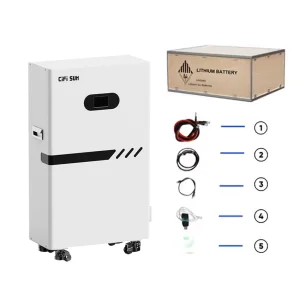
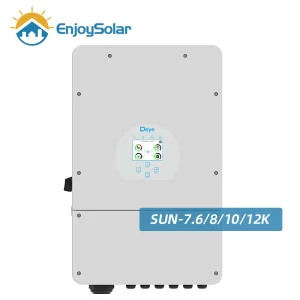
The residential sector is demanding "Plug-and-Play" solutions. Our Hybrid 10kw High Voltage Battery Systems incorporate a high-precision BMS that communicates directly with 3-phase hybrid inverters. This integration simplifies the procurement process for solar installers by providing a pre-validated, certified battery-plus-BMS ecosystem.
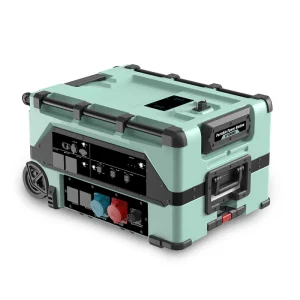

Optimizing energy costs for factories and office buildings.

Stabilizing the grid with massive energy reserves.

Maximizing PV harvest with intelligent storage.
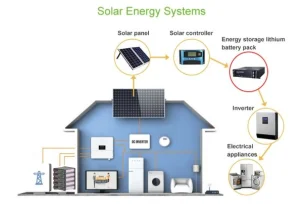
Independent power for remote or island locations.
China is currently the global hub for battery technology, and Hunan June Power Technology Co., Ltd. stands at the forefront of this industrial prowess. Choosing a Chinese factory for your BMS needs offers several strategic advantages:
1. Vertical Integration: We control the entire lifecycle from R&D to final assembly. This reduces costs and ensures that the BMS is perfectly tuned to the battery cells being used.
2. Rapid Prototyping: Our R&D and manufacturing base of over 100,000 m² allows us to take a custom BMS design from concept to prototype in a fraction of the time required by Western competitors.
3. Advanced R&D Ecosystem: In partnership with leading universities like NUAA and NUIST, we stay at the cutting edge of energy storage technology, integrating the latest scientific breakthroughs into our products.
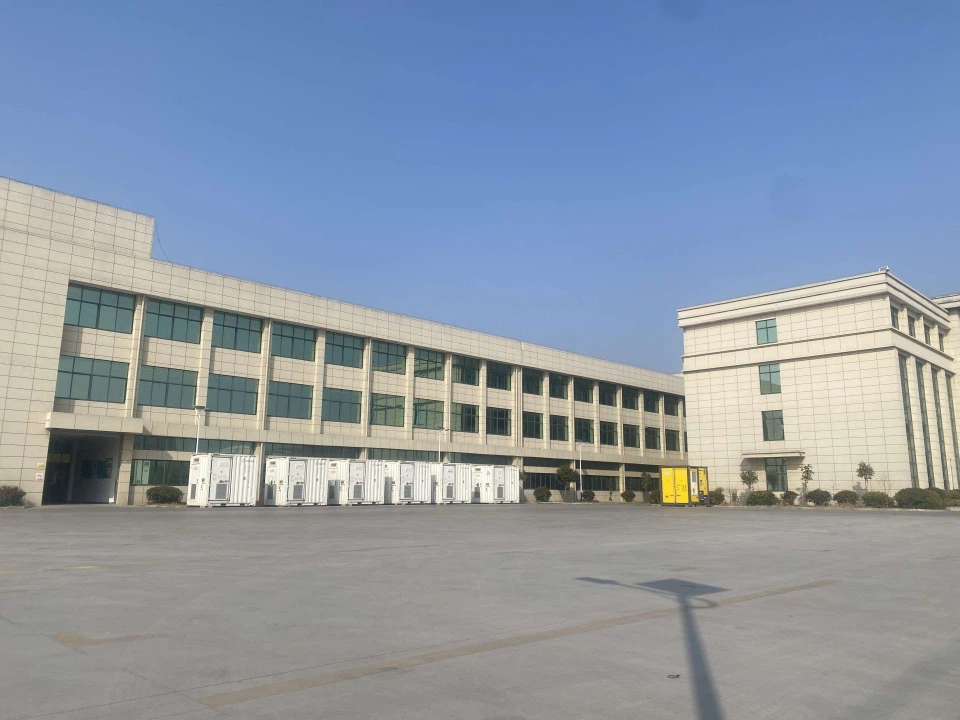
Production Area (m²)
Technical Experts
Utility Model Patents
Global Market Presence
While the market is diverse, several key players define the standards for high-performance battery management systems. These manufacturers are categorized by their innovation, market share, and customization capabilities:
As the world leader in lithium-ion batteries, CATL’s proprietary BMS technology sets the global benchmark for EV and large-scale ESS safety.
BYD offers vertically integrated solutions, where their BMS is specifically engineered for their Blade Battery technology, ensuring unrivaled safety.
Focusing on high energy density, LG’s BMS solutions are favored by premium automotive brands for their precision in state-of-charge (SOC) estimation.
A rising leader in custom industrial and residential ESS, specializing in high-voltage microgrid BMS and integrated PCS solutions with localized global support.
Tesla’s BMS is famous for its software-centric approach, allowing for over-the-air (OTA) updates that improve battery performance over time.
Pioneering in compact BMS designs for consumer electronics and residential storage systems with a focus on long-cycle life.
Rounding out the top 10 are companies like Panasonic, Toshiba, Nuvation Energy, and Stafl Systems, each contributing to the diversity of the custom BMS ecosystem from modular designs to aerospace-grade reliability.