June Power
June Power
June Power
The global energy landscape is undergoing a paradigm shift. As the world moves toward carbon neutrality, the limitations of traditional chemical batteries—such as slow charging, limited cycle life, and environmental impact—have become more apparent. Enter the Supercapacitor Energy Storage technology. Often referred to as ultracapacitors or Electric Double-Layer Capacitors (EDLCs), these devices represent the next frontier in high-power energy management.
Supercapacitors offer unparalleled power density, capable of discharging and recharging in seconds. In industrial and commercial (C&I) sectors, they provide critical support for grid stabilization, peak shaving, and regenerative braking energy recovery. Currently, the global market for supercapacitors is witnessing a CAGR of over 15%, driven by the electrification of transportation and the integration of volatile renewable energy sources like wind and solar.
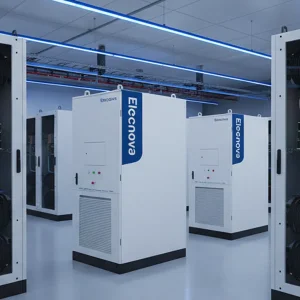
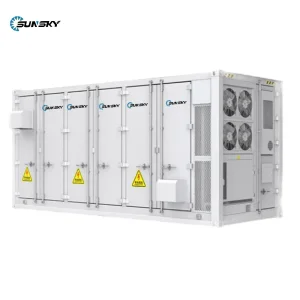
Our flagship 1.5MW/1.656MWh containerized system offers high-voltage air-cooled technology for utility-scale stability.
View Details →One of the most significant trends is the combination of supercapacitors with lithium-ion batteries. This "Hybrid" approach leverages the high energy density of lithium batteries for long-term storage and the high power density of supercapacitors for rapid response. Global procurers in Europe and North America are increasingly seeking HESS solutions to protect battery life and improve system reliability in harsh environments.
From automated guided vehicles (AGVs) in warehouses to pitch control in wind turbines, the demand for localized, high-burst power is skyrocketing. We see a massive surge in procurement from the Middle East for solar-plus-storage projects and from Southeast Asia for microgrid stabilization in remote island regions.
Hunan June Power Technology Co., Ltd. is a national high-tech enterprise located in Jiangbei New Area, Nanjing. June focuses on the R&D, production, and sales of PCS, Hybrid Inverters, Energy Storage Systems (ESS), and Microgrid Systems, while also engaging in the investment, development, and construction of photovoltaic and energy storage power plants.
The company operates an R&D and manufacturing base of over 100,000 m2, and its products are distributed in more than 100 countries and regions across Europe, the Americas, Oceania, Africa, the Middle East, and Southeast Asia. To deliver efficient, localized technical support and services, the company has established overseas branches in Los Angeles, Warsaw, Tokyo, and Riyadh.
In addition, June has established strategic partnerships with several leading universities, including NUAA, NUIST, and NJUIT. Together, they have set up doctoral research workstations and co-developed talent cultivation platforms dedicated to the transformation of scientific achievements in the new energy sector.
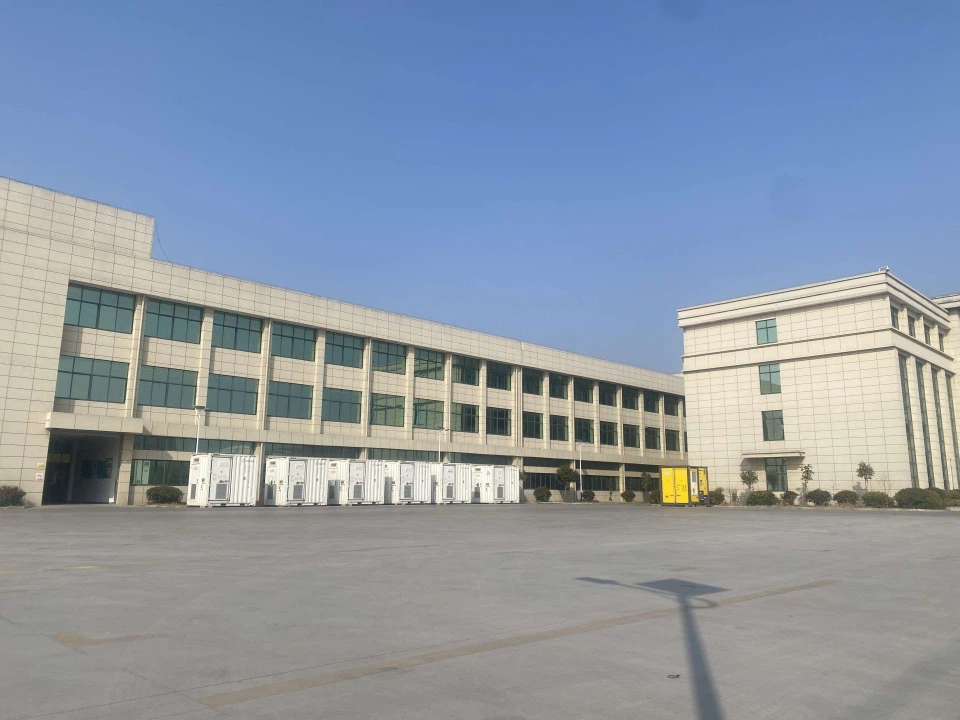
Square Meters Production Area

Strong Technical Expertise

Utility Model Patents

Global Market Presence


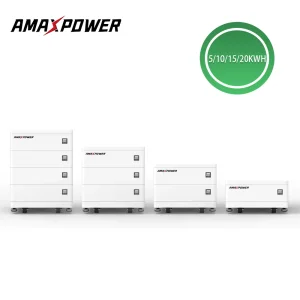
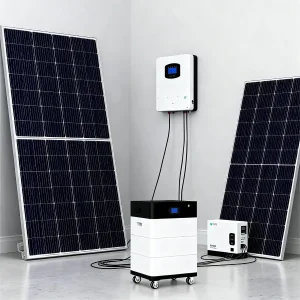
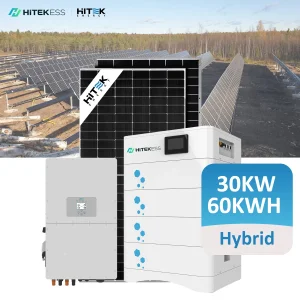
51.2V 5kwh-20kwh stackable system for modern household energy independence.
Learn More →China has established itself as the global hub for energy storage manufacturing for several critical reasons:
Supercapacitors excel in extremely low temperatures (-40°C) where traditional lithium batteries fail. This makes them ideal for wind turbine pitch control and starting systems for heavy machinery in Northern Europe and Canada.
In regions with weak grids, supercapacitors provide instantaneous voltage support during transient loads, preventing blackouts in industrial parks and manufacturing facilities.
Metro systems and electric buses in Tier-1 cities use supercapacitors to capture energy during braking and release it during acceleration, reducing overall energy consumption by up to 30%.
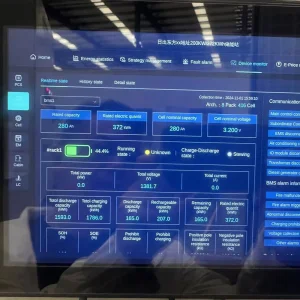
As we integrate more AI into our systems, our Energy Management Software (EMS) now uses predictive algorithms to determine when to engage supercapacitors versus lithium batteries. This smart dispatching maximizes the lifespan of the entire ESS and ensures the highest possible ROI for our global clients. By monitoring grid fluctuations in real-time, the system can react in milliseconds—a feat only possible with the rapid-response characteristics of supercapacitor technology.