June Power
June Power
June Power
The global energy landscape is undergoing a radical transformation. As the world pivots toward decarbonization, the demand for resilient, efficient, and flexible energy systems has never been higher. Hybrid AC/DC Microgrid Systems have emerged as the cornerstone of modern electrical infrastructure, bridging the gap between traditional alternating current (AC) grids and the increasing prevalence of direct current (DC) loads such as electric vehicle (EV) chargers, LED lighting, and data center servers.
In 2024 and beyond, the commercial and industrial (C&I) sectors are leading the charge. Large-scale manufacturing plants, remote mining operations, and island communities are transitioning away from centralized power grids—which are often prone to instability—towards localized microgrid solutions. These systems combine solar PV, wind energy, and battery energy storage (BESS) into a single, intelligent ecosystem that can operate both in tandem with the utility grid or as an autonomous "island."
The microgrid market is projected to grow at a CAGR of over 15% through 2030, driven by the need for energy security and the integration of renewables.
By minimizing the number of AC-DC conversion steps, hybrid systems can increase overall energy efficiency by up to 10-15% compared to traditional setups.
Factories are utilizing microgrids to protect sensitive production lines from voltage dips and blackouts, potentially saving millions in downtime costs.
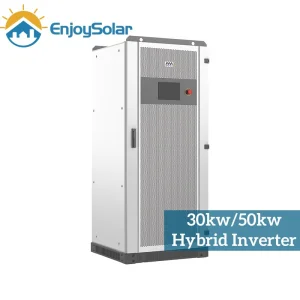
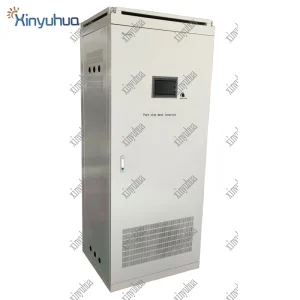
Global procurers are no longer looking for "off-the-shelf" solutions. Today’s procurement demands focus on modularity and customization. Whether it's a specific voltage range for a data center in Frankfurt or a ruggedized outdoor enclosure for a solar farm in the Australian Outback, the ability of a factory to provide OEM/ODM services is paramount. This allows businesses to brand the technology as their own while ensuring the hardware meets local regulatory standards (such as UL, CE, or IEC).
The "intelligence" of a microgrid lies in its Energy Management System. Modern procurement managers prioritize systems that feature AI-driven forecasting. By analyzing weather patterns and historical consumption data, these systems can decide when to store energy, when to sell it back to the grid, and when to activate backup generators. This optimization is critical for reducing the Levelized Cost of Energy (LCOE).
We see massive growth in several specific niches:
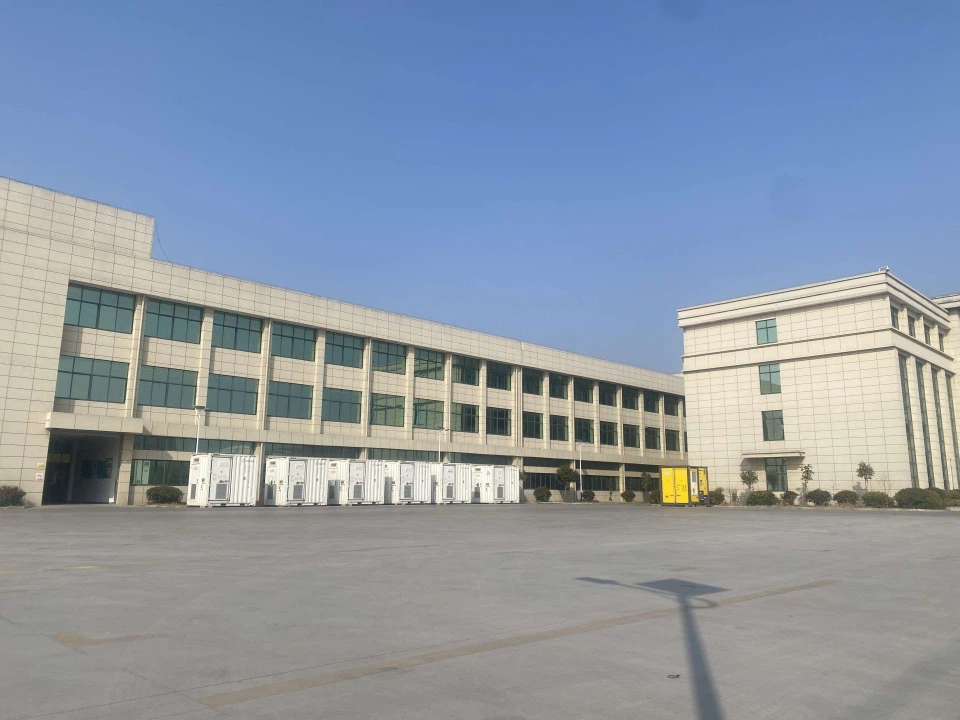
As a Tier-1 China Microgrid System Factory, we offer advantages that go beyond just cost-competitiveness. Our manufacturing ecosystem in Hunan and Nanjing provides a unique blend of engineering talent and supply chain integration.
China controls over 70% of the world’s lithium-ion battery supply chain. By sourcing directly from our factory, you eliminate multiple layers of middleman markups and gain direct access to the latest cell technologies, such as LiFePO4 (LFP), known for its safety and long cycle life.
Our strategic partnerships with top-tier universities (NUAA, NUIST) allow us to move from concept to functional prototype faster than almost any Western competitor. We hold over 80 patents in utility models, ensuring that our OEM/ODM partners receive cutting-edge technology that stays ahead of the market curve.
Unlike traditional exporters, we have established service nodes in Los Angeles, Warsaw, Tokyo, and Riyadh. We understand that microgrids are critical infrastructure, and our global network ensures that technical support is available in your time zone, in your language.

Commercial & Industrial (C&I)

Utility-scale Energy Storage

Solar Power Field
m² Production Area
Technical Experts
Patents Owned
Global Markets