Enhancing power stability for grid-connected applications is essential in today’s energy landscape. As renewable energy sources grow, their integration presents both opportunities and challenges. These systems can produce variable energy, leading to fluctuations. Without careful management, these fluctuations can destabilize the grid.
To ensure a reliable and resilient power supply, enhancing power stability is crucial. Engineers and researchers work tirelessly to develop solutions that can address these issues. They explore advanced technologies such as energy storage systems and smart grids. These innovations can improve response times and maintain harmony within the grid. Yet, challenges remain. Some systems struggle to adapt quickly to changes in energy supply.
A stable grid not only supports infrastructure but also empowers communities. The risks of blackouts and instability can disrupt daily life. Thus, enhancing power stability for grid-connected applications is not just an engineering challenge. It is a societal necessity. The journey of improvement must continue, embracing new strategies and innovations while recognizing the imperfections that still exist.
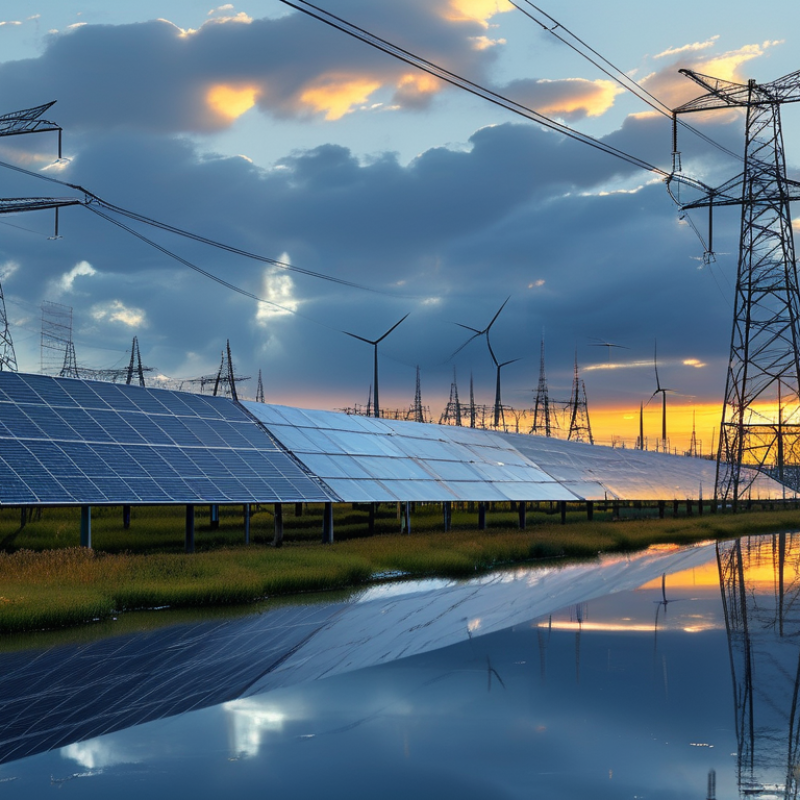
Importance of Power Stability in Modern Electricity Grids
Power stability is a vital aspect of modern electricity grids. The increasing integration of renewable energy sources leads to fluctuations in power supply. According to a report by the International Energy Agency (IEA), renewables are expected to account for 50% of the global electricity mix by 2030. This transition brings both opportunities and complexities. As power sources become less predictable, maintaining power stability has never been more critical.
Data from the U.S. Department of Energy indicates that power disturbances can cost utilities up to $150 billion annually. These disruptions affect not only energy companies but also consumers and businesses relying on consistent power delivery. Unexpected outages can harm sensitive equipment, lead to financial losses, and undermine consumer trust in the grid's reliability. Therefore, enhancing power stability is essential for securing economic growth and technological advancement.
Emerging technologies play a crucial role in addressing these challenges. Energy storage systems, for instance, provide backup power during dips in generation. Furthermore, smart grid technology enables better monitoring and management of electricity supply. However, there remain significant gaps in implementation and adoption. Policymakers must prioritize investments in grid infrastructure for a more resilient future.
Why is Enhancing Power Stability Crucial for Grid Connected Applications?
| Aspect |
Importance |
Impact on Grid |
Example Technologies |
| Voltage Stability |
Ensures consistent voltage levels across the grid |
Prevents equipment damage and outages |
Voltage Regulators, FACTS Controllers |
| Frequency Stability |
Maintains the frequency within safe limits |
Avoids blackouts and system failures |
Automatic Generation Control, Energy Storage Systems |
| Load Balancing |
Distributes electricity evenly across the grid |
Improves reliability and efficiency of power delivery |
Smart Grids, Demand Response Technologies |
| Renewable Integration |
Facilitates the use of solar and wind energy |
Reduces carbon footprint and promotes sustainability |
Inverters, Smoothing Techniques |
| System Resilience |
Enhances ability to withstand disturbances |
Promotes long-term reliability |
Advanced Monitoring Systems, Backup Generators |
Factors Affecting Power Stability in Grid Connected Systems
Power stability is vital for grid-connected applications. Numerous factors impact this stability. One of the primary elements is frequency control. A stable frequency keeps the balance between electricity supply and demand. According to a report by the International Energy Agency (IEA), fluctuations in frequency can lead to grid instability. Even a small drop can disrupt services across regions.
Another significant factor is voltage regulation. Proper voltage levels ensure that power systems operate efficiently. The National Renewable Energy Laboratory (NREL) reports that voltage disturbances can cause equipment damage, leading to costly repairs. This highlights the need for robust voltage management in grid systems.
**Tip:** Regularly monitor frequency and voltage levels to detect irregularities early. Implementing automated controls can help maintain stability.
Lastly, the integration of renewable energy sources adds complexity. The intermittent nature of these resources, such as wind and solar, can induce instability. A study suggested that incorporating energy storage systems can mitigate these risks. Energy storage creates a buffer, balancing supply fluctuations from renewable sources.
**Tip:** Invest in advanced energy storage solutions to enhance grid resilience. This can be crucial for maintaining stability in a changing energy landscape.
Impacts of Power Instability on Renewable Energy Integration
Power instability poses significant challenges for renewable energy integration. According to a report by the International Renewable Energy Agency, about 70% of the world’s electricity is expected to come from renewables by 2050. However, fluctuating energy output from sources like solar and wind impacts grid reliability. A lack of stable power can lead to blackouts and decreased efficiency in energy distribution. In fact, the U.S. Department of Energy reported that power outages cost the economy over $150 billion annually.
To mitigate these issues, enhancing power stability is essential. Energy storage systems, such as batteries, can smooth the output from renewable sources. They provide backup during low production periods. A study from Bloomberg New Energy Finance indicated that battery costs have dropped significantly. This makes energy storage solutions more accessible for integrating renewables into the grid.
Tip: Regularly analyze your energy consumption patterns. Adjusting usage during peak and off-peak hours can enhance grid stability while reducing costs.
Investments in smart grid technologies further support this stability. These systems enable real-time monitoring and control. They allow for more effective management of energy resources. Yet, many regions still rely on outdated infrastructure, creating vulnerabilities. Identifying and addressing these gaps is crucial as we transition to a greener energy future.
Impacts of Power Instability on Renewable Energy Integration
Enhancing power stability is crucial for successful integration of renewable energy sources into grid-connected applications. This chart illustrates the impacts of power instability, showing how fluctuations can affect grid performance and renewable energy penetration.
Technologies for Enhancing Power Stability in Grids
Power stability is essential for grid-connected applications. Recent studies indicate that over 70% of grid failures relate to stability issues. To address this, various technologies are being developed.
One notable technology is the use of energy storage systems (ESS). These systems can respond rapidly to fluctuations in energy supply and demand. For instance, a 2022 report estimated that integrating ESS could reduce instability by up to 40%. Such improvements can significantly enhance grid reliability.
Another key area is the deployment of smart grid technologies. These systems use data analytics to monitor grid conditions and optimize performance. In 2021, it was reported that smart grids could improve efficiency by as much as 25%. However, the implementation of these technologies requires careful planning and ongoing assessments to ensure effectiveness.
Incorporating renewable energy sources further complicates power stability but offers potential solutions. As wind and solar energy become more prevalent, innovations in grid management are crucial. Challenges include intermittency and the need for advanced forecasting tools. Thus, continuous exploration in these areas remains vital for maintaining grid stability and reliability.
Future Trends in Power Stability for Grid Connected Applications
Enhancing power stability is becoming increasingly essential, especially for grid-connected applications. According to a report by the International Energy Agency (IEA), renewable energy sources will constitute over 70% of the global electricity supply by 2040. This transition necessitates improved power stability to accommodate variable energy sources, ensuring a reliable supply.
One trend in enhancing power stability is the adoption of advanced energy management systems. These systems can optimize the balance between supply and demand. A study by the U.S. Department of Energy highlights that microgrid technologies can provide localized stability, reducing dependence on central grids. For instance, integrating battery storage with renewables can cushion against fluctuations. However, this solution comes with challenges, such as high initial costs and the need for more efficient battery technologies.
Additionally, emerging technologies like artificial intelligence are being explored to predict demand shifts. Predictive analytics can inform grid operators of potential instability. Yet, reliance on AI must be approached with caution, as errors in algorithms could lead to mismanagement of resources. The journey towards improved power stability is complex and requires continuous evaluation of these advancements.
FAQS
: Frequency control is a primary factor. It balances electricity supply and demand effectively.
Proper voltage levels ensure efficient operation. Disturbances can cause equipment damage and costly repairs.
Frequency and voltage levels should be continuously monitored for irregularities.
They provide a buffer, smoothing out supply fluctuations and backing up during low production periods.
Fluctuating outputs can lead to blackouts and decrease energy distribution efficiency.
Battery costs have dropped significantly, allowing easier integration of renewables.
They enable real-time monitoring and control of energy resources for better management.
Power outages can cost the economy over $150 billion annually.
They create vulnerabilities that can undermine power stability during the energy transition.
Analyzing patterns and adjusting usage between peak and off-peak hours can help.
Conclusion
Enhancing power stability is crucial for grid-connected applications as it ensures the reliability and efficiency of modern electricity grids. The increasing integration of renewable energy sources amplifies the need for stable power, as fluctuations in generation can lead to instability in the grid. Various factors, such as demand variability and grid infrastructure, significantly impact power stability, making it essential for utilities to implement effective solutions.
To enhance power stability for grid-connected applications, advanced technologies are being developed and deployed. These include energy storage systems, smart grid technologies, and real-time monitoring tools. Looking ahead, future trends indicate a focus on improving power stability through innovation and increased harmonization of renewable energy sources. With a stable power supply, grid-connected applications can achieve greater resilience and efficiency, ultimately supporting a sustainable energy future.
 June Power
