June Power June Power

Enhance Power Quality in Industrial and Residential Areas Tips?

Time:2026-05-11 Author:Sienna
0%

Power quality is a critical factor in both industrial and residential settings. Poor power quality can lead to equipment failures, increased energy costs, and reduced life spans for devices. According to the IEEE, disturbances in power quality can cause losses of up to 10% in manufacturing productivity. Thus, it’s vital to focus on strategies to enhance power quality in industrial and residential sites.

In residential areas, issues such as voltage sags and harmonics can affect electronic devices. A report from the Electric Power Research Institute notes that voltage sags can lower the performance of appliances. Meanwhile, industrial sectors often face more severe challenges, including harmonic distortion affecting sensitive equipment. The National Renewable Energy Laboratory has indicated that improving power quality can significantly decrease operational downtime and maintenance costs.

Recognizing these challenges, it’s essential to implement solutions tailored to specific needs. Strategies such as the use of power conditioning devices and regular audits can help. However, many industries and homeowners may underestimate the importance of maintaining high power quality. This oversight can lead to larger issues down the line, both in terms of safety and financial implications. Addressing these concerns is not just beneficial; it is necessary for sustainable operations.
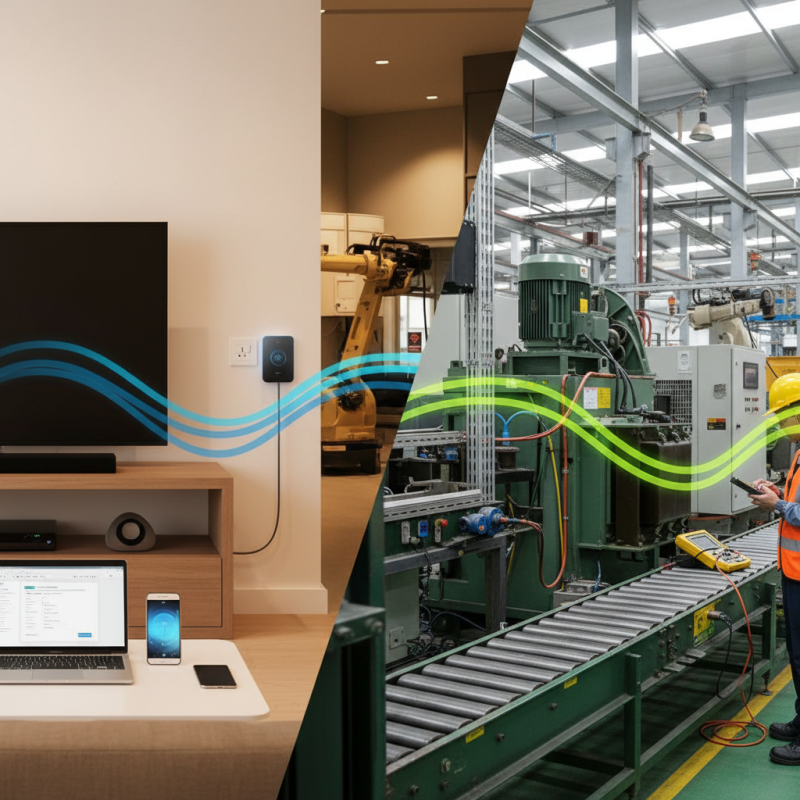
Enhance Power Quality in Industrial and Residential Areas Tips?

Understanding Power Quality: Importance in Industrial and Residential Areas

Power quality is a crucial aspect that affects both industrial and residential areas. In industrial settings, poor power quality can lead to malfunctioning equipment, downtime, and financial losses. Voltage sags, surges, and harmonic distortions are common issues. These problems can cause sensitive machinery to malfunction. On the other hand, residential areas may experience flickering lights or tripped breakers, which can disrupt everyday life.

Understanding why power quality matters is essential for improvement. It influences energy efficiency and operational reliability. Industrial operations thrive on steady, high-quality power. In homes, good power quality ensures that appliances function efficiently. However, many are unaware of how to monitor their power supply. Regular checks and maintenance can be beneficial. Installing power quality analyzers may seem complicated, but they offer valuable insights.

Also, consider investing in surge protectors and power conditioners. These devices can enhance stability. Yet, implementing changes isn't always straightforward and may require professional help. Both sectors often overlook the need for proper grounding systems, leading to susceptibility. Awareness about these issues is vital for progress. Understanding power quality can lead to better solutions and a more reliable electric environment.

Enhance Power Quality in Industrial and Residential Areas Tips - Understanding Power Quality: Importance in Industrial and Residential Areas

Aspect Description Recommendations
Voltage Stability Maintains consistent voltage levels. Install voltage regulators and UPS systems.
Harmonics Distortion in voltage and current waveforms. Use harmonic filters and proper sizing of transformers.
Transients Short, high-frequency disturbances. Implement surge protection devices.
Frequency Variations Deviation from nominal frequency. Use frequency converters to maintain consistency.
Power Factor Measure of efficiency in power usage. Employ power factor correction capacitors.
Load Balancing Even distribution of electrical load. Regularly monitor and adjust loads across phases.

Common Power Quality Issues: Identifying Symptoms and Causes

Power quality issues can manifest in various forms, often impacting both industrial and residential environments. Common symptoms include voltage sags, spikes, flickering lights, and humming noises from equipment. These issues may arise from different sources, like poor wiring, overloaded circuits, or external disturbances. Identifying the root cause is crucial for effective resolution.

To tackle these power quality issues, start with a thorough assessment of your electrical systems. Regular monitoring of voltage levels can help in early detection of anomalies. Implementing surge protectors can shield your devices from voltage spikes. Additionally, using power factor correction devices ensures efficient energy consumption and stabilizes voltage levels.

Consider scheduling routine maintenance for all electrical equipment and wiring. This can decrease the likelihood of disturbances. Educate your staff or family about the symptoms of power quality issues. Encourage them to report any irregularities promptly. Awareness is key in tackling potential problems early on. This proactive approach not only enhances reliability but also promotes longevity in your electrical infrastructure.

Tips for Enhancing Power Quality: Solutions for Industries

Industrial facilities often face power quality issues that can disrupt operations. Voltage sags, harmonics, and frequency fluctuations are common. These problems can lead to equipment failures and increased operational costs. Regular monitoring is essential in identifying these issues early. By investing in power quality analyzers, industries can gain insights into their electrical systems, allowing for timely corrective actions.

One effective solution is the installation of power conditioning equipment. Devices like uninterruptible power supplies (UPS) and harmonic filters can greatly enhance power quality. These systems help stabilize voltage levels and reduce the impact of harmonics. Moreover, regular maintenance of electrical systems plays a crucial role. Many facilities overlook this aspect, leading to deteriorating performance over time.

Training staff on power quality awareness is also vital. Employees should understand the implications of poor power quality. This knowledge can prevent operational lapses. Encouraging a culture of diligence can improve overall system reliability. Addressing these issues proactively can yield significant benefits, creating a smoother operational environment.

Improving Power Quality in Residential Areas: Practical Strategies

Power quality significantly affects the function and efficiency of electrical systems in residential areas. Poor quality can lead to equipment malfunctions, increased energy costs, and even health issues. According to the Electric Power Research Institute (EPRI), poor power quality can result in equipment failures, incurring costs up to $26 billion annually for U.S. industries.

To improve power quality in homes, various strategies can be employed. Installing surge protectors can safeguard sensitive devices. Additionally, maintaining grounded electrical systems ensures stable power delivery. Capacitors can be used to help correct power factor issues, which EPRI estimates can enhance energy efficiency by around 30%. However, not every household has the resources or expertise to implement these solutions.

Regular monitoring of power quality is essential. Advanced metering devices can identify issues early, but many homeowners overlook this. DIY repairs might seem appealing, yet they often lead to further complications and higher costs. Engaging with certified professionals can provide tailored solutions and leverage their expertise for better outcomes. Building awareness and education about power quality can empower residents to take action.

Monitoring and Maintenance: Ensuring Long-term Power Quality Solutions

Monitoring and maintenance are crucial for ensuring long-term power quality solutions in both industrial and residential areas. Regular checks on electrical systems can prevent potential issues that disrupt power supply. Utilizing monitoring tools can help detect anomalies in voltage and current, ensuring that any deviation from the norm is addressed promptly.

To enhance power quality, here are a few actionable tips. Implement routine inspections of your electrical systems. Assess load balance and make adjustments as needed. Regularly clean circuits and connections to reduce resistance. This maintenance can greatly improve efficiency and reliability over time.

While these tips are helpful, they require discipline and consistency. Many overlook simple maintenance tasks. Neglecting these checks can lead to severe disruptions and costly repairs. Establishing a proactive approach to monitoring can make a significant difference in the long run. Aim for a culture of vigilance in power quality management. It will benefit both individuals and industries alike.

FAQS

: What is power quality and why is it important?

: Power quality affects the functionality of electrical systems in homes and industries. Good quality ensures equipment operates efficiently.

What are common symptoms of power quality issues?

Symptoms include voltage sags, flickering lights, and humming noises. These indicate potential underlying problems in electrical systems.

How can I detect power quality issues early?

Regular monitoring of voltage levels can help identify anomalies early. Early detection is crucial for effective resolution.

What devices can improve power quality at home?

Surge protectors and capacitors can enhance stability and correct power issues. Investing in these can protect sensitive equipment.

Why is grounding important for power quality?

Proper grounding systems help ensure stable power delivery. Many systems lack this, leading to increased vulnerability to disturbances.

What challenges do homeowners face in improving power quality?

Limited resources or expertise often hinder effective implementation of power quality solutions. DIY attempts may complicate issues further.

How can awareness help in addressing power quality issues?

Educating residents about symptoms empowers them to report irregularities. This proactive approach enhances reliability and system longevity.

Conclusion

Enhancing power quality in industrial and residential sites is crucial for ensuring the efficient operation of electrical systems. Power quality issues can manifest through various symptoms such as voltage sags, harmonics, and frequency variations. Understanding these common problems is the first step in addressing them, as it allows for the identification of underlying causes and effective solutions tailored to each environment.

For industries, strategies may include the implementation of power factor correction and the use of voltage regulators, while residential areas can benefit from installing surge protectors and optimizing electrical loads. Regular monitoring and maintenance practices are essential for sustaining these improvements over time, ensuring a long-term enhancement of power quality that benefits both sectors. By prioritizing power quality management, stakeholders can reduce downtime, improve equipment lifespan, and enhance overall energy efficiency.

Sienna

Sienna

Sienna is a skilled marketing professional with a deep expertise in our company’s core products and services. With a passion for innovation and detail, she plays a pivotal role in crafting insightful blog posts that not only highlight the unique features of our offerings but also provide valuable......