As the world transitions to cleaner energy sources, improving efficiency in hybrid power systems becomes critical. According to the International Energy Agency (IEA), hybrid systems can reduce emissions by up to 30% compared to traditional methods. However, the challenge lies in how to effectively integrate various energy sources. Dr. Emily Carter, an expert in energy systems, emphasized, “To truly improve energy utilization efficiency in hybrid power systems, we must embrace innovative technologies and rethink our approaches.”
Many hybrid systems currently underperform in energy utilization. For instance, research shows that 25% of energy generated is often wasted due to inefficient integration. This highlights the urgent need to develop strategies that optimize energy conversion and storage. By focusing on smart grid technologies and advanced batteries, we can enhance overall effectiveness.
Despite advancements, the field still lacks a universally accepted framework. Stakeholders must grapple with coordination issues and technical barriers. Each hybrid system is unique, requiring tailored solutions. Moving forward, adopting data analytics can provide insights for improvement. The path to enhancing energy efficiency is complex but vital for a sustainable energy future.
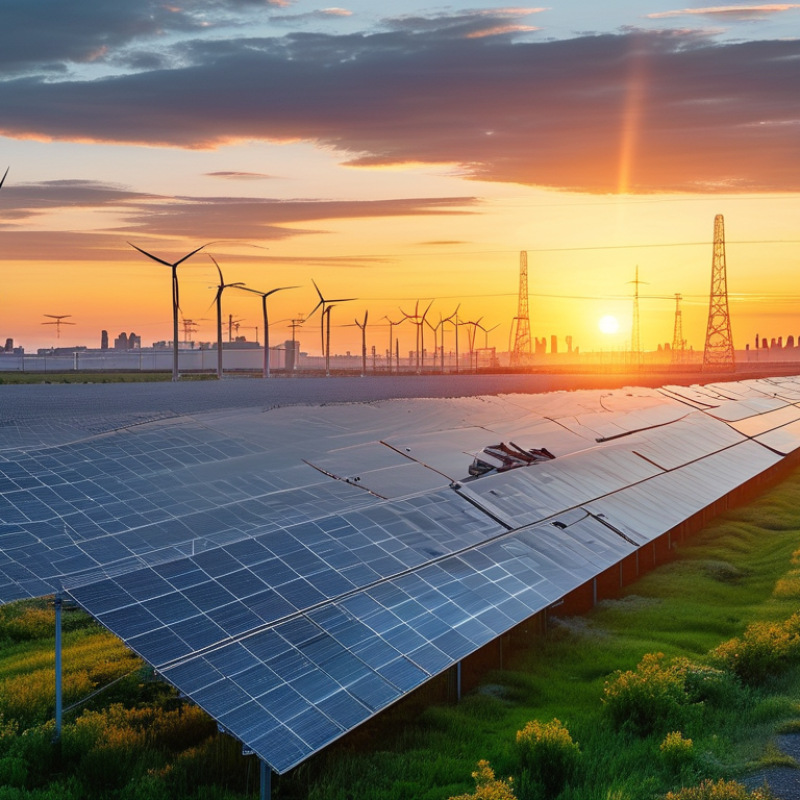
Best Practices for Enhancing Energy Efficiency in Hybrid Power Systems
Improving energy efficiency in hybrid power systems is essential. Effective practices involve optimizing both energy sources and load profiles. Sizing energy storage adequately ensures that renewable energy usage maximizes. Real-time monitoring helps track performance and adjust operations dynamically.
Another best practice includes integrating advanced control algorithms. These algorithms analyze data to enhance the responsiveness of the power system. They can minimize waste and ensure a balanced load. It is critical to identify peak consumption periods and adjust energy output accordingly.
Understanding and managing demand is key to efficiency.
However, challenges remain. Implementation costs can be high. Moreover, staff training is often inadequate, leading to underutilization of systems. Continuous assessment and iterative improvements are necessary. Energy efficiency isn’t just about technology; it's also about people.
Fostering a culture of sustainability within organizations can drive lasting change.
Current Trends and Technologies in Hybrid Power System Efficiency
Hybrid power systems have become increasingly important in the quest for energy efficiency. Current trends focus on integrating
renewable energy sources with traditional ones. This combination can optimize performance while reducing environmental impact.
Transitioning to smarter grid technology is essential. It allows better energy management between various sources, leading to improved efficiency.
One notable technology is energy storage systems. These systems store excess energy generated during peak production times.
This stored energy can then be used when demand is high. Implementing advanced forecasting tools aids in predicting energy flow. However, the unpredictability of renewable sources
remains a significant challenge.
Another trend is the utilization of energy management software. This software helps track performance and consumption
patterns. Insights gained from data can lead to better decision-making. However, reliance on technology can sometimes lead to overconfidence.
It's crucial to maintain a hands-on approach for troubleshooting and adjustments. Striking a balance between technology and human oversight is key.
Impact of Renewable Energy Integration on Hybrid System Performance
The integration of renewable energy in hybrid power systems can significantly enhance their performance. Solar, wind, and other renewables contribute to reducing reliance on fossil fuels. This transition leads to lower greenhouse gas emissions and a cleaner energy mix. However, the variability of renewable sources poses challenges that need addressing.
One major issue is the intermittency of renewable energy. Solar energy depends on sunlight availability, while wind energy relies on wind patterns. These fluctuations can lead to instability in power supply. Energy storage solutions, like batteries, play a key role in addressing this problem. Properly sized and managed storage can balance supply and demand effectively.
Renewables can also impact the efficiency of hybrid systems differently based on their design and implementation. For instance, not all systems effectively optimize energy output from diverse sources. Continuous monitoring and system adjustments are crucial for maintaining efficiency. Without proper integration strategies, the expected benefits of renewables can fall short, leading to underwhelming system performance. These complexities highlight the need for ongoing research and practical improvements in hybrid power technologies.
2026 Best Ways to Improve Energy Efficiency in Hybrid Power Systems
| Method |
Description |
Expected Efficiency Improvement (%) |
Cost (Estimated $) |
| Smart Grid Technologies |
Integrates renewable energy sources for real-time energy management. |
15 |
50,000 |
| Energy Storage Systems |
Utilizes batteries to store excess energy for later use. |
20 |
100,000 |
| Demand Response Programs |
Encourages consumers to reduce or shift energy usage during peak periods. |
10 |
30,000 |
| Hybrid Renewable Systems |
Combines solar, wind, and other renewable sources for a stable power supply. |
25 |
200,000 |
| Energy Management Systems |
Software to optimize the operation of hybrid systems. |
18 |
70,000 |
Role of Energy Management Systems in Optimizing Hybrid Power Solutions
Energy Management Systems (EMS) play a crucial role in enhancing the performance of hybrid power systems. These systems analyze energy use, providing insights into efficiency improvements. By integrating renewable sources and conventional energy, EMS optimizes performance. The result is reduced energy waste and lower operational costs.
Effective EMS can respond in real-time to fluctuating energy demands. They can control multiple energy sources, adjusting the output according to necessity. This flexibility allows for a smoother power supply, reducing the reliance on fossil fuels and minimizing emissions.
However, not all EMS are equally effective. Some may struggle with data accuracy or integration with existing technologies. Continuous improvement and adaptation are necessary for EMS to reach their full potential.
Data analytics and predictive modeling are vital components of successful energy management. They enable systems to foresee energy consumption patterns. While many organizations invest in these tools, the effectiveness can vary widely. Inaccurate predictions can lead to inefficiency. Thus, regular updates and user training are essential for optimizing energy solutions. Balancing complexity and usability remains a challenge in the energy management landscape.
Regulatory Policies and Incentives for Improving Hybrid Energy Efficiency
Regulatory policies play a crucial role in enhancing energy efficiency in hybrid power systems. Data from the International Energy Agency (IEA) suggests that clear policies can cut carbon emissions by 40% by 2030. These policies often include tax incentives and grants, targeting investments in renewable technologies. For example, countries like Germany and Denmark have successfully implemented feed-in tariffs, encouraging the adoption of hybrid systems. This approach not only drives innovation but also ensures more efficient energy use.
Incentives are vital for boosting investment. A report by the World Bank highlights that every dollar invested in energy efficiency can yield up to seven times its initial return. However, the implementation of these incentives is often inconsistent. Some regions experience bureaucratic hurdles that slow down project timelines. Statutory frameworks can vary greatly, creating uncertainty for investors. This discrepancy is a challenge that policymakers must address for improved energy outcomes.
Moreover, public engagement is essential. Educating consumers on the benefits of energy-efficient systems can enhance acceptance. Surveys indicate that over 60% of consumers support government incentives for sustainable energy solutions. Public understanding can pressure regulators to act. Yet, there remains a gap in awareness about the long-term savings associated with these technologies. Regulators must develop strategies to bridge this gap, ensuring that financial and environmental benefits reach all segments of society.
Conclusion
The article "2026 Best Ways to Improve Energy Efficiency in Hybrid Power Systems" explores various strategies aimed at enhancing energy utilization in hybrid power systems. It outlines best practices, including the implementation of advanced technologies and innovative energy management systems to optimize performance. Current trends highlight the integration of renewable energy sources, which significantly contributes to increased efficiency and reliability of hybrid systems.
Moreover, the discussion delves into the impact of regulatory policies and financial incentives that encourage the adoption of energy-efficient practices. By improving energy utilization efficiency in hybrid power systems, stakeholders can achieve better sustainability outcomes, reduce operational costs, and promote a cleaner energy future. The synthesis of these elements demonstrates a comprehensive approach to optimizing hybrid power solutions for the coming years.
 June Power
